
 +86-(0)512-82283871
Content
- 1 What Types of Braking Systems Are Used in Portable 3 Wheel Scooters
- 2 How Do Different Braking Methods Affect Riding Control
- 3 Which Road Conditions Require Careful Braking Control
- 4 How Does a Travel 3 Wheel Scooter Use Braking During Daily Routes
- 5 Why Does Brake Maintenance Influence Daily Scooter Use
- 6 What Should Be Considered When Choosing a Scooter Braking System
- 7 How Can Suitable Braking Options Support Comfortable Mobility
Daily travel rarely happens on one smooth stretch of road, honestly. A ride through a neighborhood, a shopping area, park path, public walkway — it usually brings a mix of corners, crossings, slopes, small changes in surface underfoot. Each of those changes asks for a slightly different kind of control, which is really why braking ends up being part of ordinary riding, not just something reserved for emergencies.
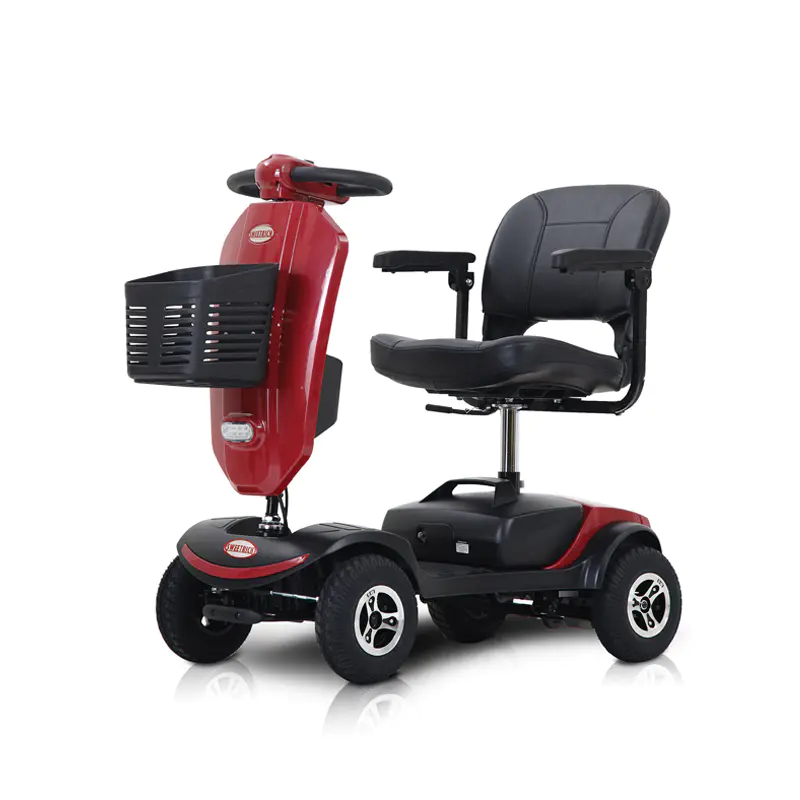
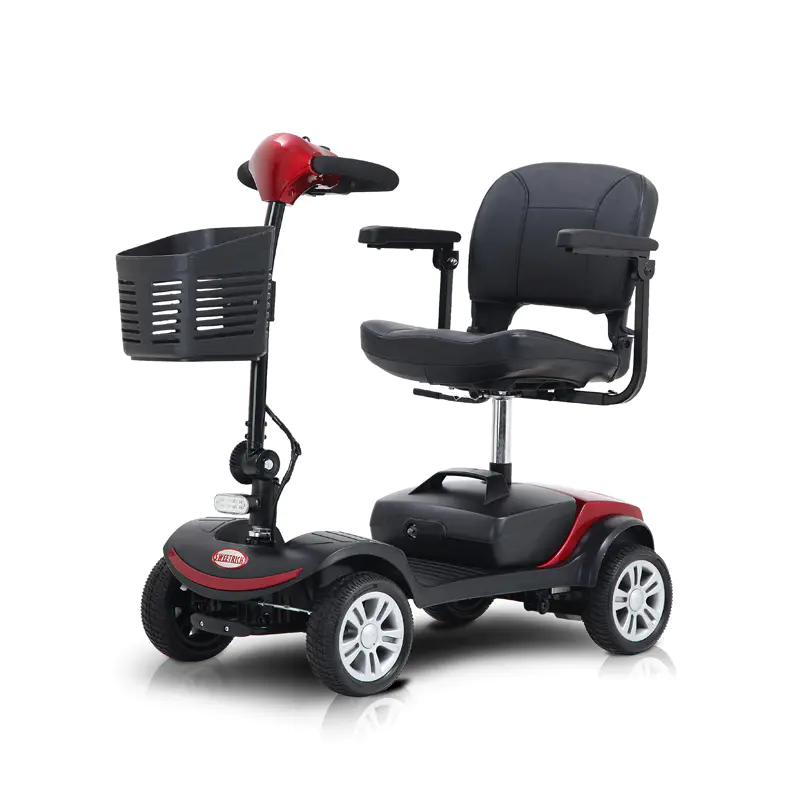
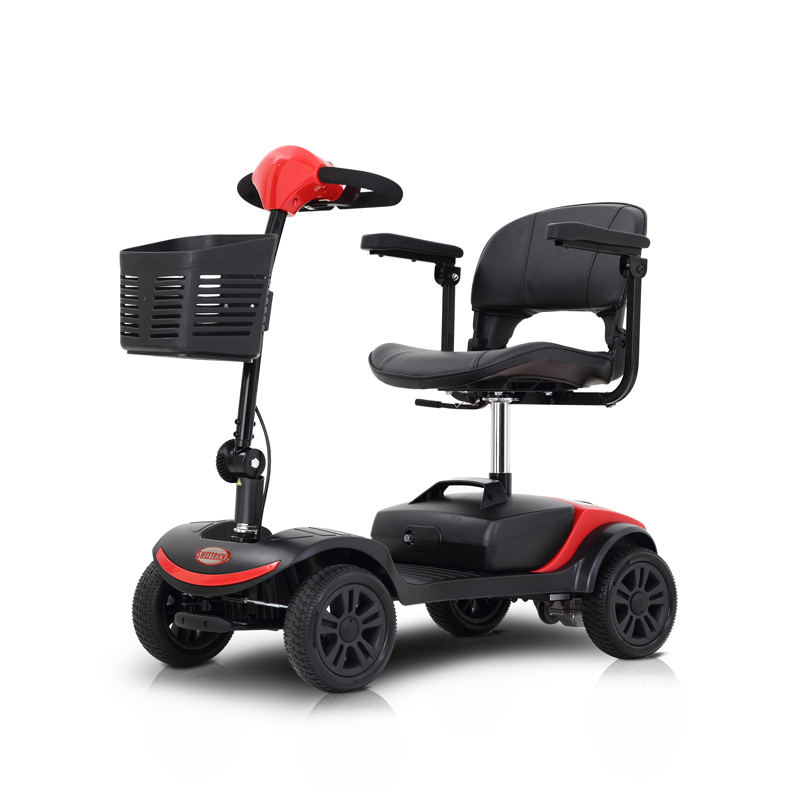
For a Portable 3 Wheel Scooter, braking does a lot more than just bring things to a stop. It helps the rider slow down near people passing by, adjust speed before a turn coming up, stay comfortable when the route shifts from one section into another. On city roads especially, those small adjustments often end up mattering more than any sudden full stop would.
Riding conditions shift through the day too. Morning paths can feel pretty different from afternoon ones, and a route that seems simple enough can still hide narrow sections or uneven ground somewhere along the way. A braking system that responds clearly gives the rider more room to work through those situations without having to rush the movement.
A handful of things really shape how braking feels in daily use:
- Road surface condition
- Speed changes during travel
- Rider habits
- Scooter structure
- Regular brake care
Braking really works alongside steering, wheels, balance — none of it operates in isolation. When those pieces move together well, daily riding tends to feel steadier overall, less tiring too by the end of it.
What Types of Braking Systems Are Used in Portable 3 Wheel Scooters
Different scooter models lean on different braking methods, and each one changes how daily movement actually feels once you're riding. Some riders want direct control above all else, others prefer a smoother response when slowing down.
Manual braking is one common route. The rider operates the control directly, which creates a pretty clear link between hand movement and how the scooter responds. That kind of setup often feels familiar right away, easy to understand during normal travel.
Electronic braking takes a different path altogether. Rather than relying only on mechanical action, it uses internal control to help manage speed changes as they happen. Riders moving through busy areas often notice that smoother feeling this kind of brake brings along with it.
Combined braking systems bring more than one method into a single scooter. A setup like that can support a wider range of riding conditions without asking the rider to change habits too much along the way.
Parking brakes serve a pretty different purpose altogether. Rather than helping during actual travel, they just keep the scooter in place once it's already stopped.
| Braking Type | Operation Feeling | Common Use Situation |
|---|---|---|
| Manual brake | Direct control | Regular road travel |
| Electronic brake | Smooth speed adjustment | Daily urban movement |
| Combined brake | Multiple control methods | Changing road conditions |
| Parking brake | Keeps scooter in place | Stops and storage |
The choice usually comes down to daily use patterns. Someone moving through crowded areas a lot might want easy speed changes on hand, while a rider sticking to quieter paths might care more about simple operation and clear, predictable control instead.
Understanding these different braking styles just makes it easier to match a scooter with someone's actual travel habits.
How Do Different Braking Methods Affect Riding Control
Braking shapes a scooter's behavior in more ways than just stopping it. It also affects how speed drops off, how turns feel mid-motion, how the scooter responds once the road changes underneath the wheels.
A manual brake often gives a pretty direct feeling, since the rider decides exactly when to slow down. That can help a lot near corners, crossings, narrow paths — places where small adjustments really matter in the moment.
Electronic braking usually brings a gentler shift in speed instead. For daily use, that smoother feel can make moving through crowded or changing spaces feel a lot easier to manage overall.
When more than one braking method works together in the same scooter, response tends to stay more balanced across different situations. That matters especially when a route includes gentle slopes, shared paths, or frequent starts and stops throughout.
A few riding situations call for careful braking in particular:
- Approaching crowded walking areas
- Moving down gentle slopes
- Entering narrow paths
- Crossing uneven surfaces
- Preparing for a stop
Good braking habits, honestly, tend to come from reading the route ahead of time. A familiar street usually asks for less adjustment on the fly, while somewhere new might call for slower movement and a bit more attention throughout.
Which Road Conditions Require Careful Braking Control
Road surface changes have a real effect on how braking actually feels in the moment. A scooter might ride smoothly across one stretch, then need extra care just a few steps later on.
Smooth sidewalks generally allow for easy movement, though riders still need to slow down near entrances, corners, or people passing by. Parking areas bring a different situation altogether, since movement there often comes with tighter space and more frequent stops mixed in.
Slopes need attention too. Even a small incline can change how the scooter moves, so braking has to stay steady enough to keep control feeling comfortable throughout.
Wet roads or damp paths can feel pretty different from dry pavement, which makes careful slowing matter more in those conditions.
Different routes bring their own set of needs:
- Sidewalks require awareness of nearby pedestrians.
- Parking areas require frequent speed changes.
- Slopes require steady control.
- Wet roads require careful operation.
- Shared paths require close attention to surroundings.
Braking really becomes part of the rider's rhythm over time. When it matches the route well, movement just feels calmer overall, a lot easier to manage without much extra thought involved.
How Does a Travel 3 Wheel Scooter Use Braking During Daily Routes
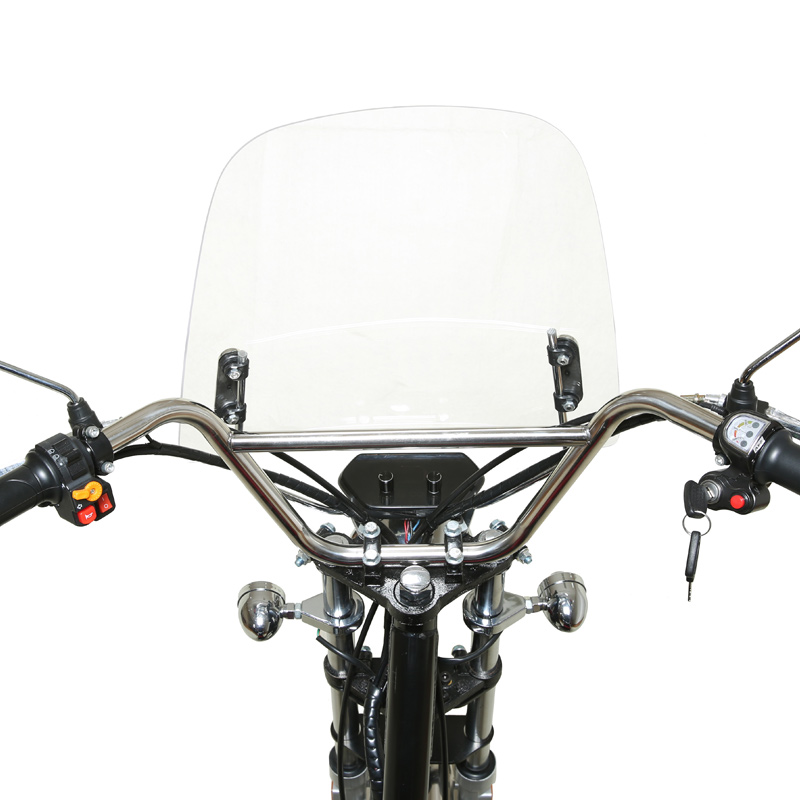
Daily routes usually add up to a bunch of short movements rather than one long, continuous journey. A trip to the store, a walk around a residential block, a ride through some public space — all of it tends to involve repeated starts, slow turns, quick stops mixed in throughout. For a Travel 3 Wheel Scooter, braking really just becomes part of normal operation across all those small changes, not a separate function you reach for occasionally.
Urban environments tend to demand frequent speed adjustments, honestly. A rider might need to slow near pedestrians, ease off before entering a narrow spot, stop for a short break somewhere along the way. A braking system that feels natural through all these moments makes daily travel a lot easier to handle overall.
Different locations bring their own braking situations, too:
- Shopping areas often call for careful movement around people
- Residential streets may include corners and slight slopes
- Parks can mix paths with changing surfaces underfoot
- Indoor spaces usually need slower, more controlled movement
A portable design lets the scooter move between different environments pretty easily, though each location still sets its own riding conditions once you're actually in it. Braking has to match those shifts rather than stick to one fixed pattern regardless of where you are.
Travel routes shape brake use too, in their own way. A familiar path might only need small adjustments here and there, while somewhere unfamiliar tends to call for more attention to speed and surroundings alike.
For short-distance mobility, smooth braking really helps connect the different parts of a journey together. Starting, slowing, stopping — all of it gets easier once the braking response matches everyday travel habits instead of fighting against them.
Why Does Brake Maintenance Influence Daily Scooter Use
Braking performance can shift over time through regular use, more than people might expect. Dust, moisture, everyday movement — all of it can affect how brake parts respond, which is really why simple maintenance holds an important place in scooter care overall.
Regular checks don't need to be complicated, either. Just paying attention to how the brake feels during normal rides can help catch changes before they turn into something inconvenient down the line.
A few maintenance habits worth keeping up with:
- Check whether braking feels different from usual
- Keep brake areas clean
- Look for loose or damaged parts
- Follow regular inspection routines
Unusual sounds or shifts in response might signal that something needs a look. A brake that feels slower, weaker, or just different during use should get checked rather than brushed off.
Cleaning matters during outdoor travel too. Small particles from roads and paths can collect around moving parts over time, gradually affecting normal operation if left unattended.
Storage conditions play into maintenance as well. Keeping a scooter somewhere dry, protected from unnecessary exposure to harsh conditions, helps maintain its condition over the long run.
Good maintenance habits really support more consistent daily use overall. Small checks done regularly tend to make it a lot easier to keep the scooter ready whenever a new route comes up.
What Should Be Considered When Choosing a Scooter Braking System
Choosing a braking system really depends on how the scooter will actually get used day to day. Someone traveling mainly on smooth sidewalks probably has different needs than someone who often moves through crowded areas or changing surfaces regularly.
The route itself is one major factor here. Urban travel usually brings a lot of small adjustments along the way, so easy operation becomes a pretty important part of the whole selection process.
A few points worth weighing during consideration:
- Daily travel environment
- Riding frequency
- Ease of brake operation
- Maintenance requirements
- Scooter structure
Brake operation should feel comfortable and familiar, above all else. A system that demands too much effort, or just feels difficult to control, can end up affecting the whole riding experience negatively.
Maintenance needs deserve some attention too. A simpler design might suit some users just fine, while another rider might prefer extra control options for handling different situations as they come up.
The relationship between brake and scooter structure matters here as well. Braking, steering, wheels, balance — all of it influences each other during actual movement, not in isolation.
A Portable 3 Wheel Scooter used for daily mobility really needs a braking system that matches real situations as they come up, rather than one built around just a single specific condition.
How Can Suitable Braking Options Support Comfortable Mobility
Comfortable urban mobility really comes from a bunch of connected details working together. Braking's just one part of a larger system that includes wheel design, steering response, rider habits, road conditions — none of these operate independently of each other.
A suitable braking option helps riders adjust speed more smoothly during everyday travel. Whether moving through a neighborhood, visiting public areas, or using a Travel 3 Wheel Scooter for short trips around town, braking plays a real role in how controlled the whole journey ends up feeling.
Different riders face different routes and daily routines, of course. Some travel mostly across smooth pavement, others move through mixed surfaces that demand more frequent adjustments along the way.
Good braking design really focuses on practical use above all. It should support normal movements — slowing near people, managing turns, stopping when needed — without adding friction to any of it.
Choosing a braking system takes real attention to actual travel conditions, honestly. Considering route type, operation habits, maintenance needs together helps create a better match between the scooter and someone's daily mobility patterns.
Braking really isn't an isolated feature at the end of the day. It works together with the entire scooter structure to support steady movement through changing urban environments, whatever they happen to look like on a given day.