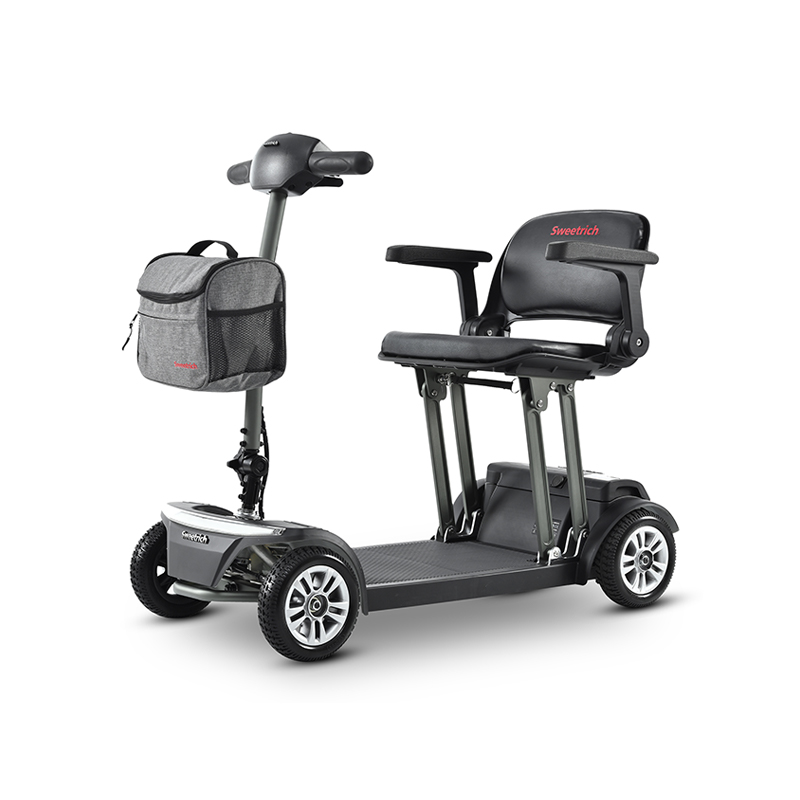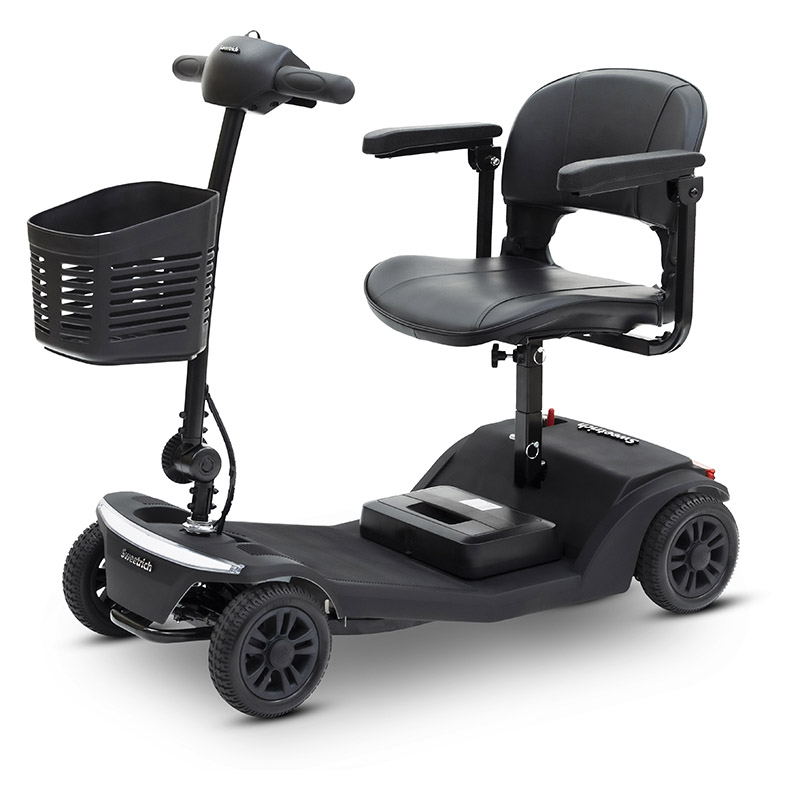

 +86-(0)512-82283871
Content
- 1 What Types Of Suspension Systems Are Common In Portable 3 Wheel Scooter Design
- 2 Why Suspension System Matters For Lightweight Scooter Daily Comfort
- 3 How Frame Design Affects Suspension Performance In Portable Scooter
- 4 What Role Do Wheels And Tires Play In Reducing Vibration
- 5 How Suspension System Improves Control And Steering Stability
- 6 What Environmental Factors Influence Suspension Performance
- 7 How Maintenance Habits Support Suspension Stability Over Time
- 8 How Lightweight 3 Wheel Scooter Design Balances Suspension And Portability
- 9 What Riders Usually Experience When Suspension Works Properly
Suspension in a Portable 3 Wheel Scooter works as a simple buffer between wheel and frame. When the wheel hits a small bump, energy moves upward. Suspension parts take part of that movement and soften it before it reaches the handle or seat area.
Three-wheel layout creates a different balance compared with four-wheel designs. Front wheel usually handles direction changes, while rear section supports body weight. Suspension placement needs to follow this structure so movement stays steady during turning and straight riding.
In Lightweight 3 Wheel Scooter models, internal space is limited. Suspension parts are often built into compact areas near wheel joints instead of large visible structures. That keeps the scooter light while still allowing some vibration control.
A simple movement path often looks like this:
- wheel touches uneven surface
- small impact moves into axle area
- suspension part compresses slightly
- vibration weakens before reaching frame
- rider feels reduced shock
Even small changes in this chain can change how the ride feels over time.
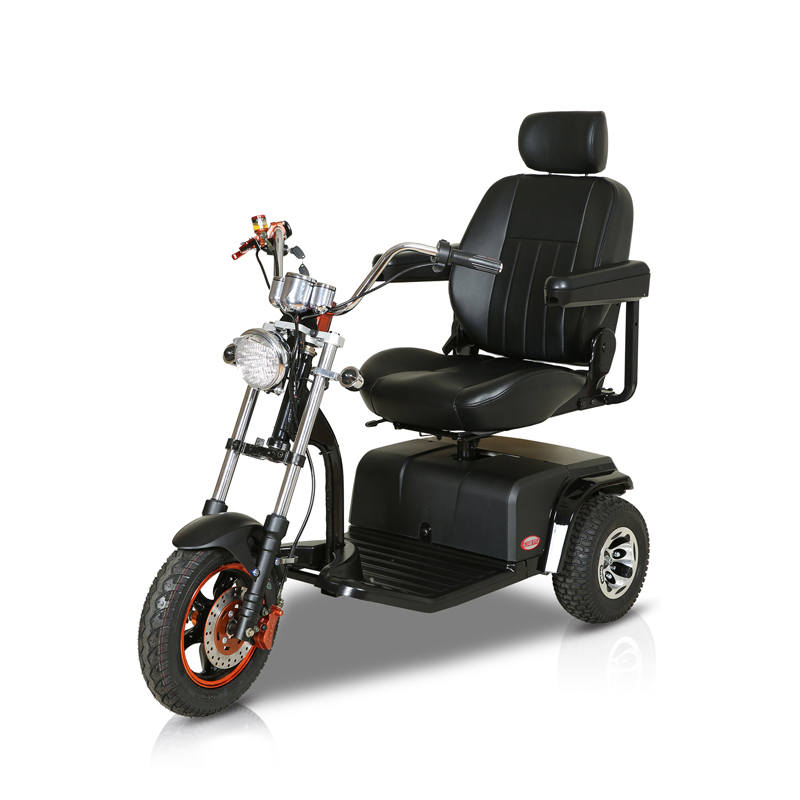
What Types Of Suspension Systems Are Common In Portable 3 Wheel Scooter Design
Different scooters use different ways to reduce vibration. Each structure works in its own way, depending on space and frame design.
Spring-based systems are often placed near wheel connections. A metal coil compresses when pressure increases, then returns to normal shape. This motion helps reduce sharper impacts from uneven ground.
Rubber damping parts work in a quieter way. Instead of visible movement, material itself absorbs part of the vibration. It often feels softer, especially on small repeated bumps.
Some Lightweight 3 Wheel Scooter designs use frame flexibility instead of separate parts. Certain frame sections are shaped to bend slightly under pressure, creating a mild cushioning effect.
| Suspension style | How it reacts | Riding feel |
|---|---|---|
| Spring-based | compress and rebound | clearer response on bumps |
| Rubber damping | absorb inside material | softer vibration reduction |
| Frame flexibility | slight structural movement | smoother general motion |
Each design handles vibration in a different rhythm, and the result depends on how often the scooter is used on uneven ground.
Why Suspension System Matters For Lightweight Scooter Daily Comfort
Comfort during riding is not only about seat shape or handle position. Small vibration repeated many times can slowly affect how the body feels during short trips.
A Lightweight 3 Wheel Scooter often moves through mixed surfaces. Indoor tiles, small ramps, and outdoor pavement gaps all create different levels of vibration. Without reduction, these small impacts travel directly to hands and arms.
Suspension helps soften this chain. When vibration becomes weaker, steering feels easier and less tiring. Even short rides between nearby places feel more controlled.
Common comfort changes during use include:
- less shaking in handle grip
- smoother movement over small floor gaps
- reduced pressure on arms during steering
- more stable feeling during slow turns
Indoor movement shows this clearly, especially when passing between different floor textures.
How Frame Design Affects Suspension Performance In Portable Scooter
Frame structure decides how vibration travels through the scooter. In a Portable Scooter, space is limited, so every connection point matters.
A rigid frame sends vibration directly from wheel to handle area. A slightly flexible frame can reduce part of that movement before it spreads.
Wheel position also changes how load is shared. Front wheel often carries steering force, while rear area supports weight. If balance is uneven, vibration may feel stronger in certain directions.
In Lightweight 3 Wheel Scooter design, weight reduction is important, so frame parts are made simpler. That simplicity can increase vibration transfer unless suspension is balanced properly.
Key factors that influence vibration flow:
- stiffness of main frame
- position of wheel joints
- tightness of connection points
- structure around folding or joining areas
All of these work together during real movement, not separately.
What Role Do Wheels And Tires Play In Reducing Vibration
Before suspension even works, tires already affect how much vibration enters the frame.
Softer tire surfaces absorb small bumps early. Harder surfaces transfer more vibration upward. This difference becomes more noticeable on uneven ground.
Wheel size also affects how smooth the ride feels. Larger contact areas can reduce sharp impact from small gaps, while smaller wheels respond more directly to surface texture.
Common surface effects:
- smooth indoor floor → very mild vibration
- tiled surface → repeated light vibration
- uneven pavement → noticeable impact changes
- mixed ground → changing vibration levels
Tires and suspension work together. One reduces impact at ground level, the other softens what reaches the frame.
How Suspension System Improves Control And Steering Stability
Steering behavior on a Portable 3 Wheel Scooter is often shaped more by small surface changes than by deliberate rider input, since the front wheel constantly reacts to tiny variations on the ground and sends those reactions upward through the handle column, which is where suspension begins to matter in a practical sense rather than a theoretical one.
When uneven pavement or indoor floor seams create repeated micro impacts, the handle tends to carry a pattern of vibration that makes directional adjustments feel less smooth, and once a suspension structure is introduced between wheel contact and frame transmission, part of that energy is absorbed or softened before it reaches the steering point, allowing movement to stay more predictable during slow turns and narrow-space navigation.
A Lightweight Scooter usually reacts faster to ground texture because of reduced frame mass, which can make steering feel slightly more sensitive, yet with suspension working in coordination with tire elasticity and joint structure, that sensitivity becomes easier to manage rather than overwhelming during frequent directional corrections in confined indoor areas or uneven outdoor paths.
In daily riding situations where steering is repeated in short intervals, such as turning through corridors, adjusting around obstacles, or making gradual alignment changes, the reduced vibration flow helps maintain a more continuous hand feel, which indirectly lowers tension in wrists and shoulders even when distance traveled is not very long.
What Environmental Factors Influence Suspension Performance
The way suspension behaves in a Portable 3 Wheel Scooter is never separated from the environment it operates in, since surface texture, transition frequency, and even small changes in slope all contribute to how vibration enters the frame and how often the system is required to respond within a short period of time.
Indoor environments often present repeated linear surfaces such as tile gaps or material transitions, which create rhythmic vibration patterns that feel light but continuous, while outdoor paths introduce more irregular impact points where suspension compression becomes less predictable and more dependent on timing rather than repetition.
A Lightweight 3 Wheel Scooter tends to reflect these environmental differences more clearly because its reduced structural mass allows external forces to travel faster through the frame, meaning that a slightly uneven walkway or a shallow curb transition can be felt more directly unless suspension and tire response work together in a balanced way.
Frequent stop-and-go movement also plays a role, since repeated acceleration and deceleration across short distances keeps suspension in a constant cycle of minor activation, and over time the sensation of smoothness or stiffness during riding is shaped as much by these repeated cycles as by the actual design itself.
Environmental influence often appears in patterns such as uneven pavement sections, mixed indoor-outdoor transitions, narrow turning points, and short sloped surfaces that do not seem significant individually yet gradually define overall riding comfort.
How Maintenance Habits Support Suspension Stability Over Time
Suspension systems in a Portable Scooter do not usually change suddenly in behavior, yet their responsiveness can shift slowly when dust, moisture, or minor wear accumulates around connection points and wheel interfaces, which is why small routine habits tend to matter more than occasional attention.
Keeping wheel areas relatively clean allows suspension components to move without resistance from external particles, while also ensuring that compression and rebound cycles remain closer to their intended range instead of becoming slightly restricted by friction or buildup that develops gradually during everyday use.
A Lightweight Scooter often relies on compact structural design, meaning small changes in movement resistance can feel more noticeable during riding, especially when turning or crossing uneven ground, so observing vibration changes during regular use becomes a practical way of identifying early signs of reduced suspension smoothness.
Maintenance in real conditions is usually not a complex process, and it often appears in simple actions such as checking whether movement feels consistent during short rides, ensuring wheel zones remain clear, and avoiding uneven loading during storage or transport, all of which contribute indirectly to keeping suspension behavior stable over time.
How Lightweight 3 Wheel Scooter Design Balances Suspension And Portability
Designing a Lightweight Scooter involves a constant compromise between keeping the structure easy to move and store while still preserving enough mechanical space for suspension elements to function in a meaningful way under daily vibration conditions.
Because compact frames reduce internal volume, suspension components are often integrated into smaller zones near wheel connections or distributed between tire response and frame flexibility, rather than relying on larger standalone systems, which changes the way vibration is managed across the entire structure.
Portability requirements also influence how suspension behaves, since lighter overall mass allows quicker response to surface irregularities, yet that same responsiveness requires careful balancing so that vibration is softened without creating instability during steering or directional correction.
In practical terms, vibration control in a Lightweight 3 Wheel Scooter is rarely handled by a single system, since tire material, frame rigidity, joint structure, and suspension components all contribute simultaneously, forming a layered response where each part reduces a portion of impact before it reaches the rider.
What Riders Usually Experience When Suspension Works Properly
When suspension functions in a balanced way within a Portable 3 Wheel Scooter, the change is usually perceived not as a dramatic difference but as a gradual reduction in small interruptions during movement, where surface irregularities feel less sharp and steering adjustments require less physical correction from the rider.
Short trips across mixed environments tend to feel more continuous, since vibration peaks are softened before they reach the hands or seating area, and this creates a riding pattern where attention can remain on direction rather than on constant compensation for surface feedback.
In Lightweight 3 Wheel Scooter use, this effect becomes more noticeable during repeated indoor transitions or light outdoor travel, where reduced vibration allows movement to feel less fragmented even when the path itself contains multiple small irregularities.
Over time, the combination of suspension behavior, tire response, and frame balance defines how the scooter feels in everyday conditions, shaping a consistent riding experience that depends less on individual components and more on how they interact during continuous motion.