
 +86-(0)512-82283871
Content
- 1 Why Does Medium Mobility Scooter Become Common In Daily Senior Mobility Needs
- 2 What Defines A Medium Mobility Scooter In Real Usage Conditions
- 3 Which Driving Controls Affect Daily Comfort And Handling
- 4 How Does Seat Structure Influence Long Term Daily Use
- 5 Why Does Battery Layout And Energy System Matter In Medium Mobility Scooter Design
- 6 How Do Safety Systems Support Everyday Mobility Use
- 7 What Role Do Wheels And Suspension Play In Comfort Experience
- 8 How Do Storage Features Support Daily Movement
- 9 What Maintenance Factors Influence Long Term Use Stability
- 10 How Do China Mobility Scooter Manufacturers Influence Design Direction
- 11 How Does Environment Influence Medium Mobility Scooter Design
- 12 What Creates A Balanced Daily Mobility Experience
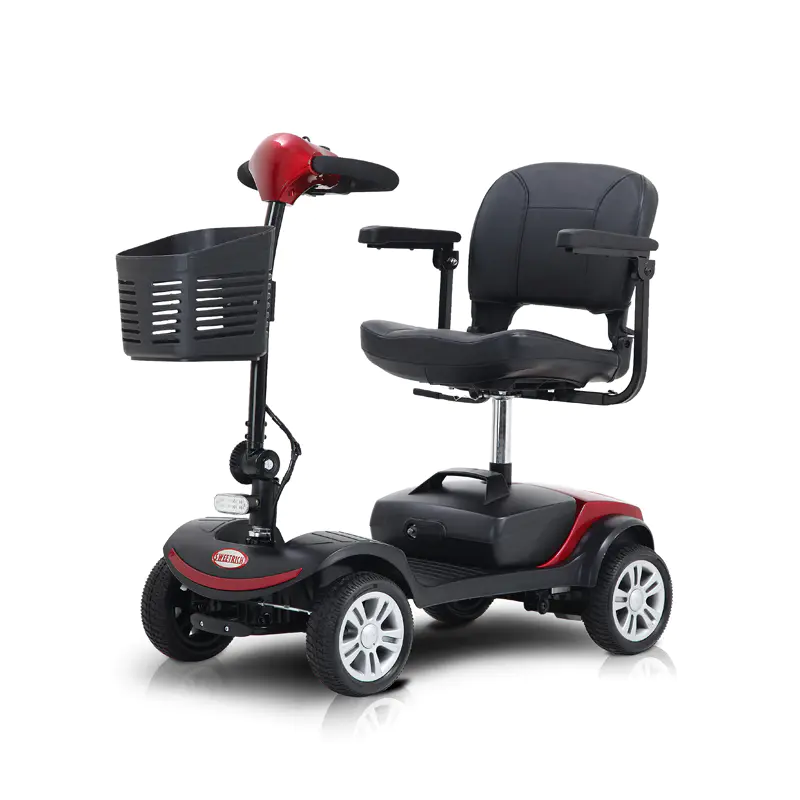
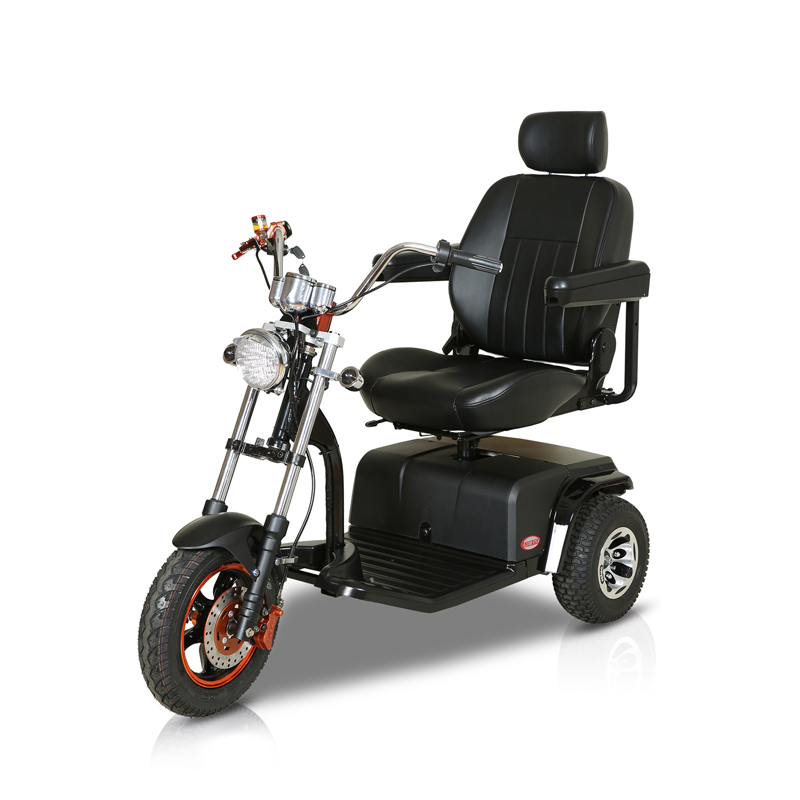
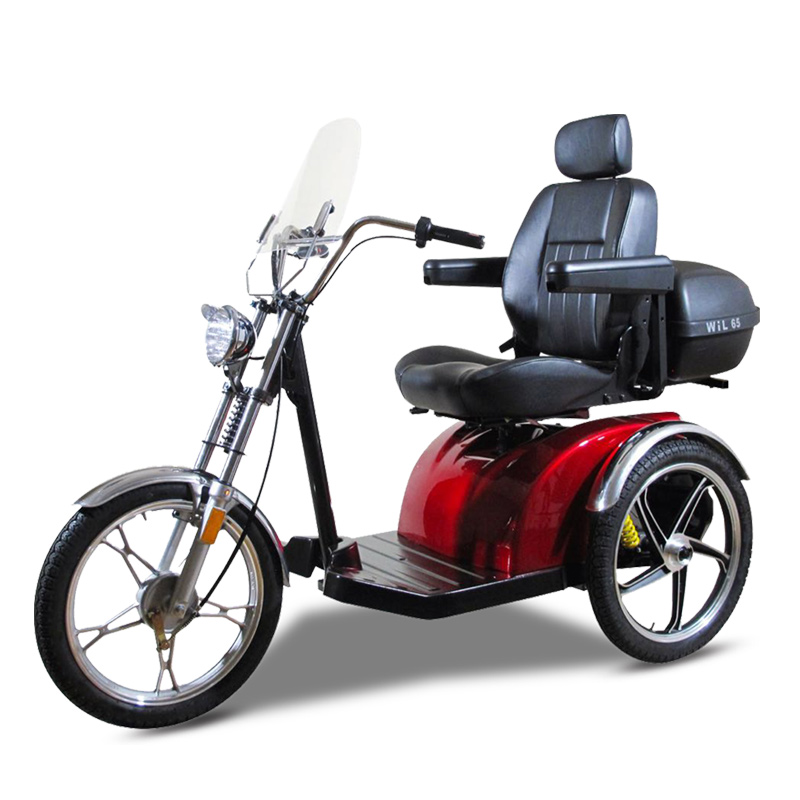
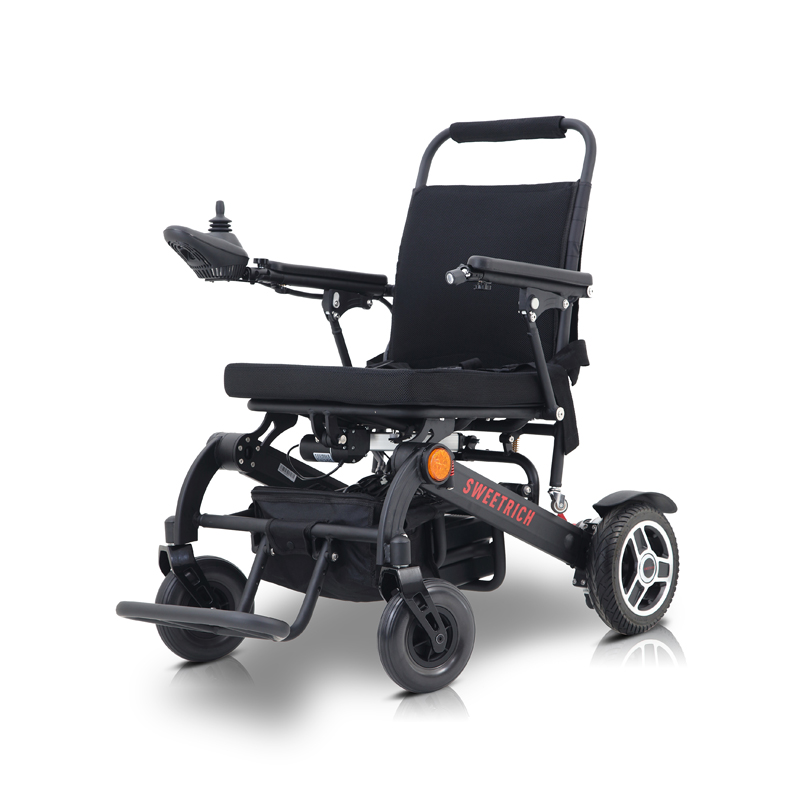
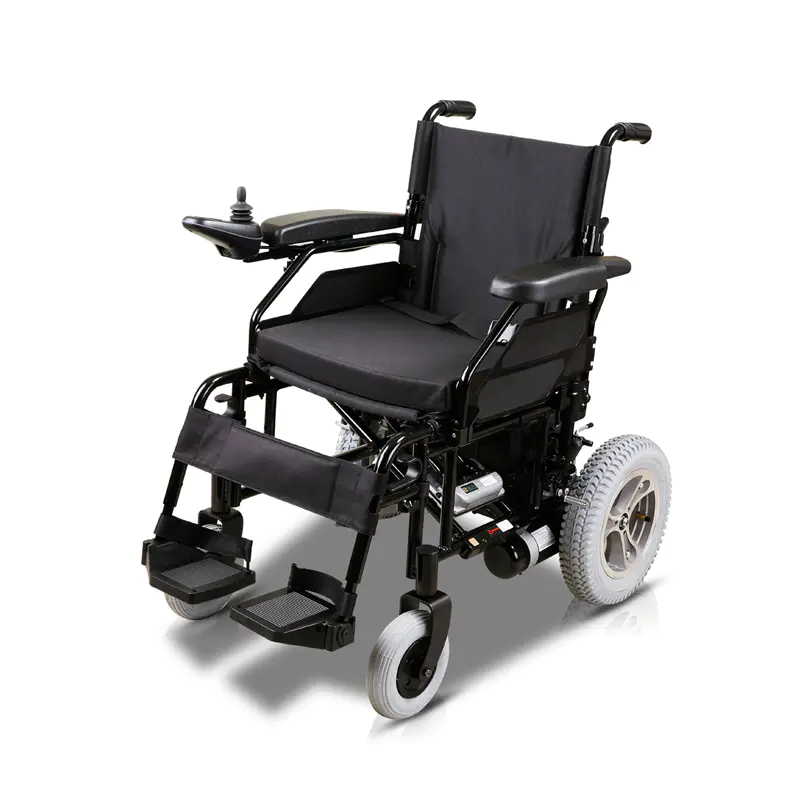
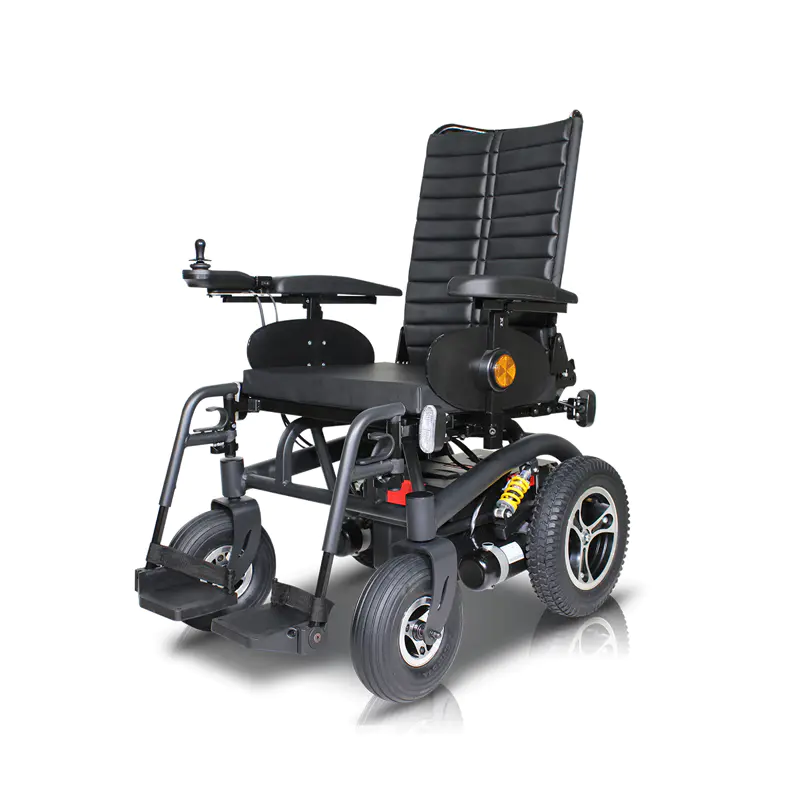
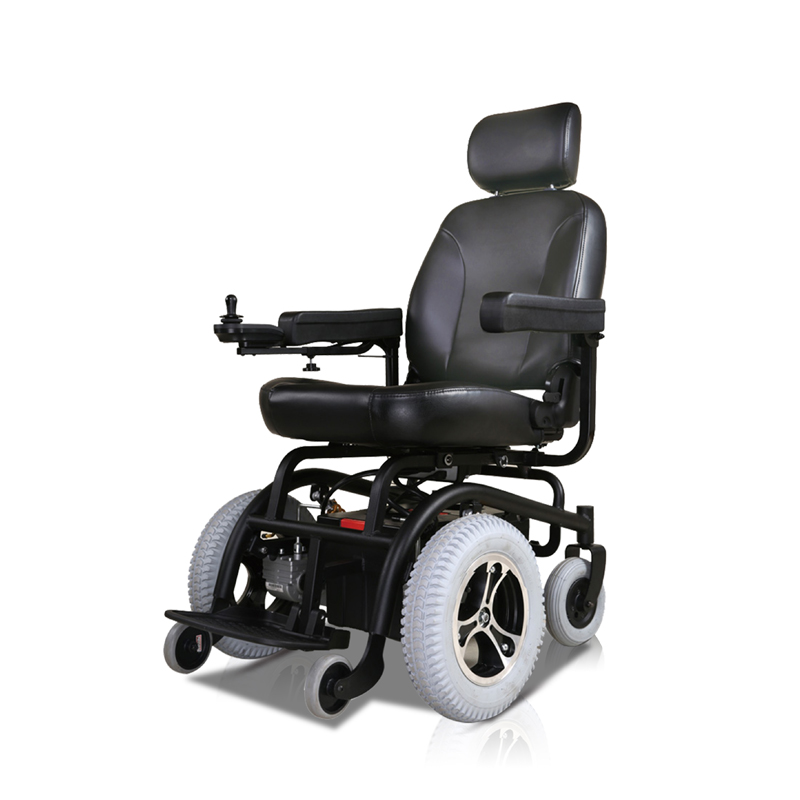
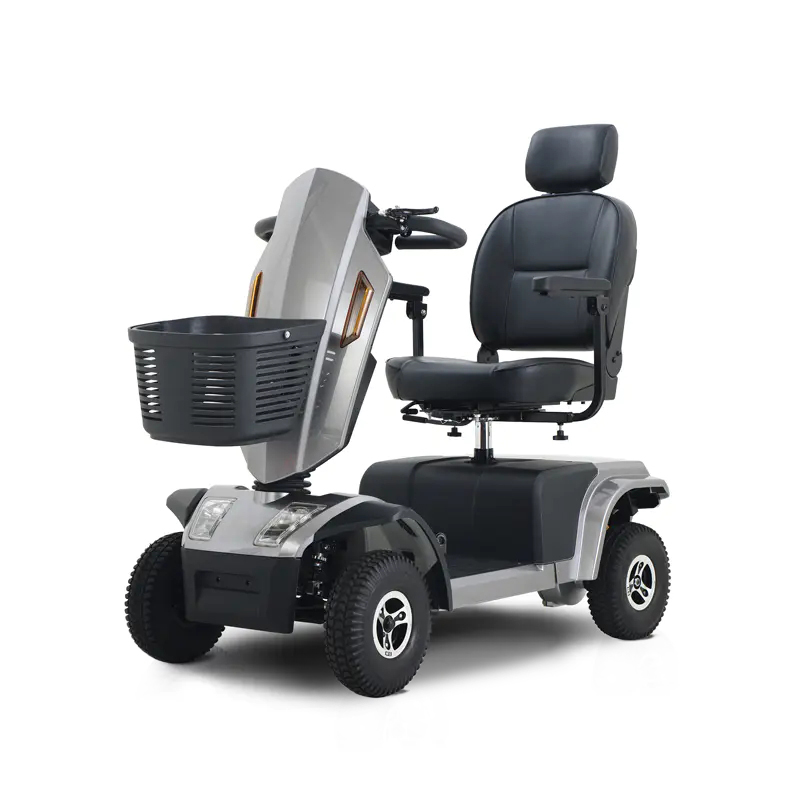
Daily movement in later life often depends on tools that feel simple to handle while still remaining steady across different places. A Medium Mobility Scooter usually sits in a middle position between small indoor devices and larger outdoor models, so daily use often includes corridors, sidewalks, short stops, and repeated starts within one routine. In practice, attention rarely stays on structure details alone, since movement feeling, turning behavior, and sitting comfort tend to decide how usable the device feels in real situations.
Medium Mobility Scooter design often follows a practical direction where balance and predictability matter more than complex functions. Movement tends to stay slow and controlled, since daily travel rarely requires speed changes. Instead, repeated transitions between sitting, stopping, and turning shape how the whole system is experienced.
Why Does Medium Mobility Scooter Become Common In Daily Senior Mobility Needs
Daily movement patterns usually shift between indoor and outdoor areas without clear separation, especially in short trips that involve leaving home, reaching nearby points, and returning within a short time. A medium structure fits into that kind of routine because size and handling remain in a middle range, avoiding both tight restriction and excessive bulk.
In real use situations, several needs often appear together:
- movement through narrow indoor passages without heavy steering effort
- short outdoor travel where surface changes happen frequently
- repeated stopping during errands or waiting moments
- seated stability during longer pauses
- reduced physical load during repeated daily cycles
Medium Mobility Scooter design tends to support these patterns by keeping motion steady during small directional changes, where sudden shifts would otherwise require extra correction.
What Defines A Medium Mobility Scooter In Real Usage Conditions
Size alone does not fully explain how a Medium Mobility Scooter behaves during daily movement. Real conditions show more through turning response, balance during motion, and how weight is carried while seated. Even small differences in frame distribution can affect how stable movement feels during repeated turns or slow acceleration.
In everyday use, several behaviors stand out:
- frame balance allowing both indoor and outdoor movement without frequent adjustment
- turning motion staying controlled within limited spaces
- gradual start and stop behavior without sudden movement changes
- weight spread that keeps seating position stable during direction changes
- steady posture support during longer sitting periods
Instead of isolated features, overall behavior during repeated daily cycles becomes more noticeable, especially when movement happens across mixed surfaces.
Which Driving Controls Affect Daily Comfort And Handling
Control behavior often decides how closely movement matches natural hand input. When response stays predictable, less correction is needed during travel, especially in indoor spaces where direction changes happen more often.
Common control aspects include:
- grip shape that supports stable hand placement during movement
- acceleration response that avoids sudden speed shifts
- braking behavior that remains steady across repeated use
- steering response suitable for narrow indoor turning
- simple layout that reduces confusion during operation
Over time, consistent control response tends to matter more than any single feature, since repeated daily use relies on routine movement rather than occasional adjustment.
How Does Seat Structure Influence Long Term Daily Use
Seating often becomes one of the main contact points during use, especially when travel includes waiting or longer sitting periods. Comfort does not come only from softness, since posture support and pressure spread across the body also play a role in how long sitting remains comfortable.
In daily situations, seating behavior is often linked to:
- cushion structure spreading weight across a wider surface
- back support keeping a natural sitting position
- seat width allowing stable body placement without frequent shifting
- surface feel remaining steady during longer contact
- ease of moving between standing and sitting positions
When seating support is balanced, fatigue tends to build more slowly during repeated daily movement.
Why Does Battery Layout And Energy System Matter In Medium Mobility Scooter Design
Energy system position affects more than operation time, since weight distribution also influences how stable movement feels. Uneven placement can change steering response or turning smoothness, especially during indoor navigation.
Important aspects often include:
- position of energy components affecting overall balance
- steady output during repeated start and stop movement
- accessible charging connection placement
- weight influence on steering sensitivity
- stable energy flow during routine travel
A balanced layout helps keep movement predictable across different surfaces, especially during slow and frequent direction changes.
| Area | Movement Behavior | Daily Effect |
|---|---|---|
| Steering | gradual direction change during turns | easier indoor navigation |
| Braking | steady deceleration response | controlled stopping |
| Seating | pressure spread across contact area | reduced discomfort over time |
| Wheels | consistent ground contact | stable movement on mixed surfaces |
| Controls | stable response to input | less correction during use |
How Do Safety Systems Support Everyday Mobility Use
Safety behavior in mobility systems often appears through stability during repeated actions rather than isolated features. Daily use includes many small transitions such as starting, stopping, and turning, where consistent response becomes more important than complexity.
Key points include:
- stable braking response during frequent stops
- wheel grip interaction with different ground surfaces
- balance control during directional changes
- visibility support during low light conditions
- structural support at main connection points
When these elements work together smoothly, movement feels more predictable during routine travel.
What Role Do Wheels And Suspension Play In Comfort Experience
Wheel and suspension behavior influences how surface conditions are felt during movement. Even small uneven areas can affect comfort when vibration is not reduced through structure and contact design.
Key points often include:
- wheel adaptation to different surface textures
- suspension response during uneven contact
- vibration reduction during continuous movement
- turning smoothness in narrow spaces
- balance between firmness and flexibility in motion response
Comfort during travel often depends on how consistently these parts respond across changing environments rather than a single condition.
Daily routines rarely stay fixed in one pattern, so a Medium Mobility Scooter often ends up serving multiple small tasks within the same day. Movement between home spaces, short outdoor trips, and short waiting periods creates repeated cycles of start, stop, and turning. Over time, attention shifts away from isolated features and moves toward how the whole system behaves under continuous use.
How Do Storage Features Support Daily Movement
Storage elements on a mobility scooter often appear simple, yet their position and balance can quietly influence movement stability. Even small carried items may shift weight distribution, which affects steering feel during slow turns or stops.
In practical daily conditions, storage design usually supports:
- carrying light personal items without changing balance too much
- keeping access close to seated position
- maintaining stability during directional changes
- avoiding obstruction during entry and exit movements
- reducing interference with control operation
When storage is positioned close to the center of the frame, movement tends to feel more stable, especially during repeated short trips where items are frequently added or removed.
What Maintenance Factors Influence Long Term Use Stability
Long term behavior of a Medium Mobility Scooter often depends on small routine checks rather than complex servicing. Wear patterns develop slowly, and changes in movement feel usually appear through gradual shifts rather than sudden failure.
Common maintenance attention points include:
- wheel contact condition during repeated ground movement
- surface cleaning to prevent buildup on moving parts
- steady response from control components during operation
- regular charging behavior supporting consistent energy flow
- checking joints for smooth movement without resistance
When these small factors remain stable, daily handling tends to stay consistent across longer periods of use, reducing unexpected changes in movement behavior.
How Do China Mobility Scooter Manufacturers Influence Design Direction
Production approaches used by China Mobility Scooter Manufacturers often reflect adaptation to varied environments rather than a single usage model. Different regions and daily conditions require flexible structural decisions, which influences how mobility scooters are shaped.
Common design influences include:
- material selection supporting both indoor and outdoor use
- frame construction that balances stability with manageable weight
- layout adjustments for seating and control accessibility
- simplified mechanical structure for consistent daily handling
- adaptation for mixed surface conditions in everyday environments
Manufacturing focus often stays on repeatable stability across use conditions, where consistency in movement behavior matters more than complex configuration changes.
How Does Environment Influence Medium Mobility Scooter Design
Daily environments shape how movement feels more than any single design feature. Indoor corridors, outdoor paths, and transitional spaces all create different demands on steering, braking, and balance.
Environmental effects often appear through:
- narrow indoor passages requiring smooth turning response
- uneven outdoor surfaces influencing wheel contact behavior
- frequent stopping during short daily errands
- varying light and weather conditions affecting visibility and comfort
- limited storage space influencing overall scooter dimensions
Design responses often aim to reduce sensitivity to these changes, allowing movement to remain steady across different surroundings without frequent adjustment.
What Creates A Balanced Daily Mobility Experience
A complete mobility experience comes from interaction between multiple systems rather than one feature. Seating, control response, wheel behavior, and energy layout all work together during repeated daily use.
Key combined elements include:
- seating comfort supporting longer periods of use without strain
- control response staying predictable during repeated handling
- braking behavior remaining stable during frequent stops
- wheel contact adapting smoothly to mixed surfaces
- energy system supporting consistent daily travel cycles
When these parts remain aligned, movement feels more continuous, even when daily routines involve frequent short trips and environmental changes.
Medium Mobility Scooter design sits in a practical middle space where daily usability defines value more than isolated performance features. Real behavior during repeated movement, turning, and stopping becomes the main reference for comfort and stability.
Within this structure, influence from China Mobility Scooter Manufacturers continues to reflect adaptability across different living environments, supporting consistent movement behavior without shifting toward unnecessary complexity.