
 +86-(0)512-82283871
Content
- 1 Fundamental Aspects of Stability
- 2 How Anti-Tipping Mechanisms Function
- 3 Three-Wheel Versus Four-Wheel Configurations
- 4 Terrain, Speed, and Environmental Effects
- 5 Rider Habits That Support Stability
- 6 Design Advancements Addressing Stability
- 7 Practical Challenges in Stability Engineering
- 8 Emerging Directions in Scooter Stability
- 9 Why choose Sweetrich products
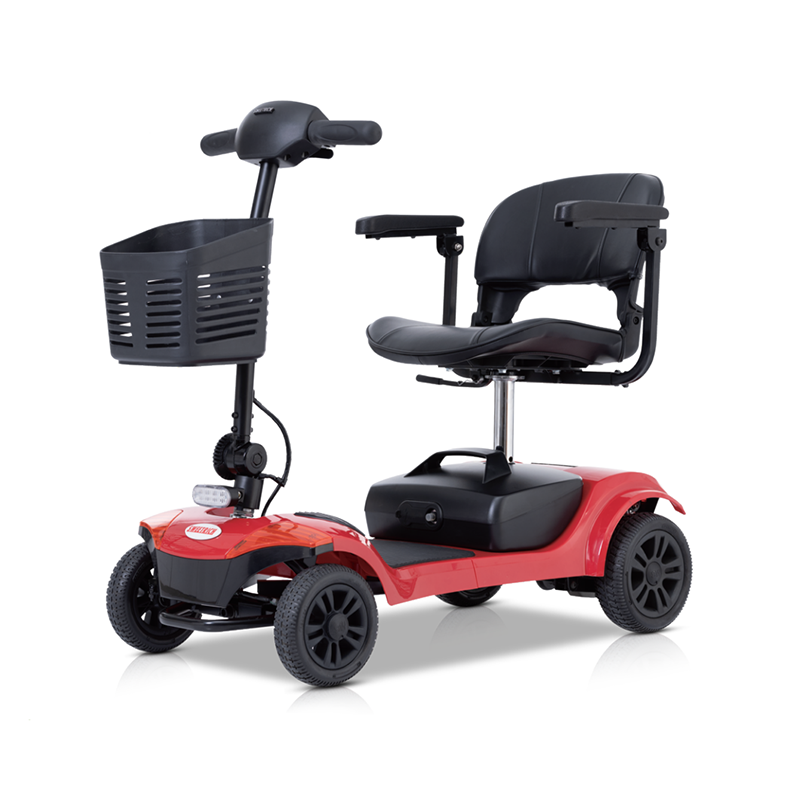
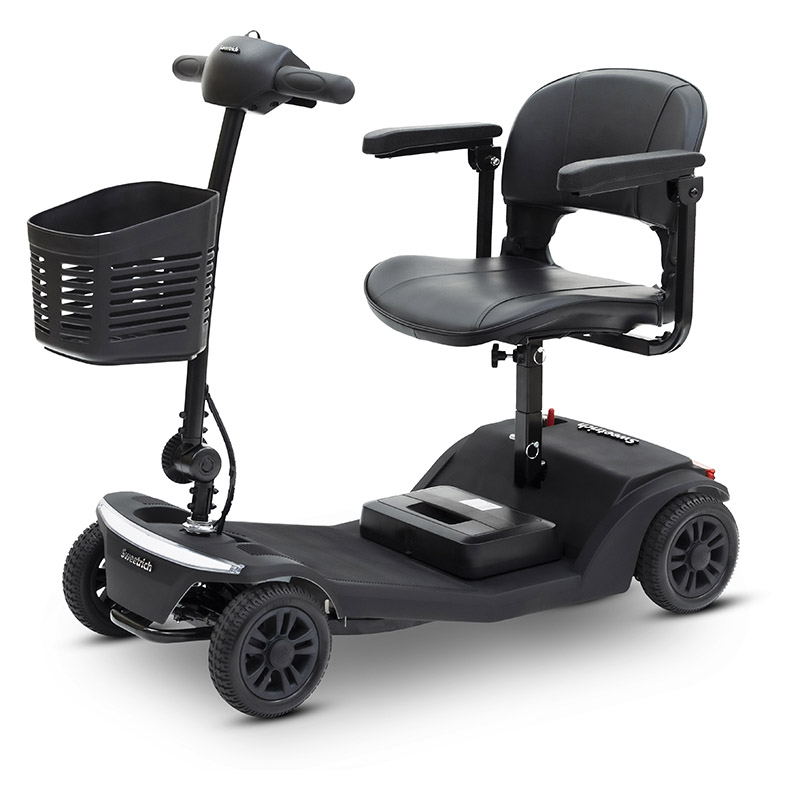
The stability and anti-tipping design of Sweetrich Wholesale Mobility Scooter form a critical foundation for safe, independent travel. These vehicles enable people to move through homes, stores, sidewalks, and gentle outdoor areas with confidence.
Stability refers to the Mobility Scooter's ability to stay balanced while handling everyday movements, turns, stops, and changes in surface. Anti-tipping elements add layers of protection against overturning, especially in situations that challenge equilibrium.
Fundamental Aspects of Stability
Stability begins with basic geometry and weight placement. The scooter's center of gravity—the average location of its mass—needs to remain within the area enclosed by the wheels during operation. Positioning heavier parts low and centrally helps keep this point down, making it harder for external forces to push the vehicle past its balance limits.
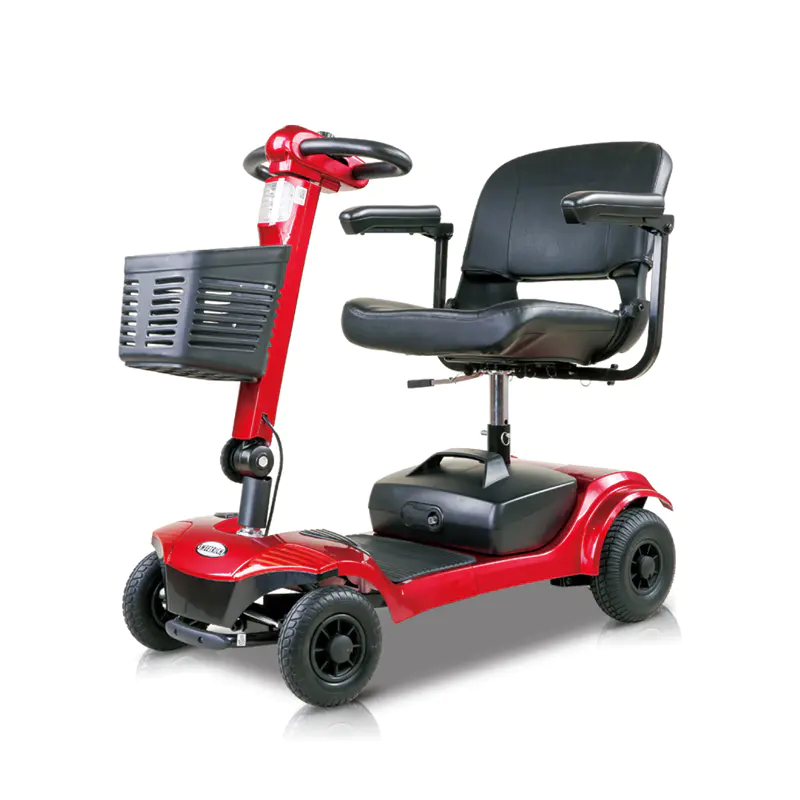
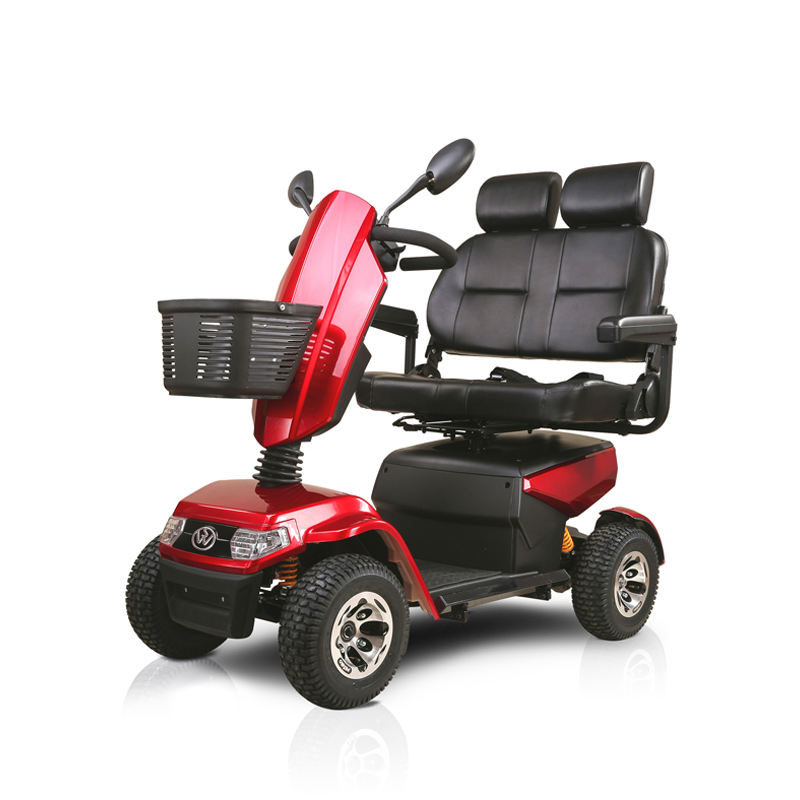
Wheel layout directly shapes this balance. Three-wheel configurations feature one steering wheel ahead and two drive wheels behind, forming a triangular ground contact pattern. This arrangement supports agile direction changes in confined areas. Four-wheel setups place two wheels forward and two rearward, creating a rectangular support base that spreads contact points more widely and resists side-to-side shifts.
The distance between axles, known as the wheelbase, influences forward-backward steadiness. Extended spacing reduces pitching tendencies during acceleration, deceleration, or slope navigation. Track width—the side-to-side separation of wheels on the same axle—strengthens lateral resistance, raising the angle needed to initiate a tip.
Tire design contributes through contact patch and rolling behavior. Larger diameters roll over small bumps with less disruption, while tread patterns enhance grip on dry pavement, light moisture, or loose gravel. Consistent inflation maintains even pressure distribution, avoiding uneven handling that could amplify instability.
Suspension elements absorb road imperfections. Components that permit controlled vertical movement prevent abrupt jolts from lifting wheels off the surface, preserving traction and composure. Without damping, vibrations might transfer upward, disturbing rider posture and control.
How Anti-Tipping Mechanisms Function
Anti-tipping features serve as safeguards that activate when balance approaches limits. Rear auxiliary wheels or bars sit slightly above ground level in normal riding. On inclines or during sudden backward weight shifts, these touch down and block further rotation, acting as a physical stop against tipping rearward.
Forward anti-tip elements sometimes appear near the front, though rear placement addresses common scenarios like climbing ramps or curbs. These additions extend the effective support base temporarily, converting potential tipping motion into a gentle correction.
Frame structure reinforces these mechanisms. Rigid yet appropriately flexible connections distribute loads without permanent distortion. Adjustable mounts allow positioning tweaks to suit terrain or rider preferences, ensuring contact occurs at the right moment without dragging during flat travel.
Electronic monitoring adds intelligence in some designs. Tilt sensors track angle and rate of change. If values near predefined thresholds, the system reduces drive power, applies differential braking, or alerts the rider. This intervention occurs early, often preventing full loss of balance.
User-contributed factors interact with these systems. Even loading keeps weight centered. Sudden leans or shifts raise the center of gravity temporarily, so maintaining neutral posture supports built-in protections.
Three-Wheel Versus Four-Wheel Configurations
Three-wheel scooters prioritize nimbleness. The single front wheel enables sharp turns and navigation through narrow doorways or aisles. This suits indoor environments where space restricts movement. The triangular base narrows forward support, so lateral forces during turns require measured speed to stay within safe bounds. Many include rear anti-tip aids to counter backward risks on ramps.
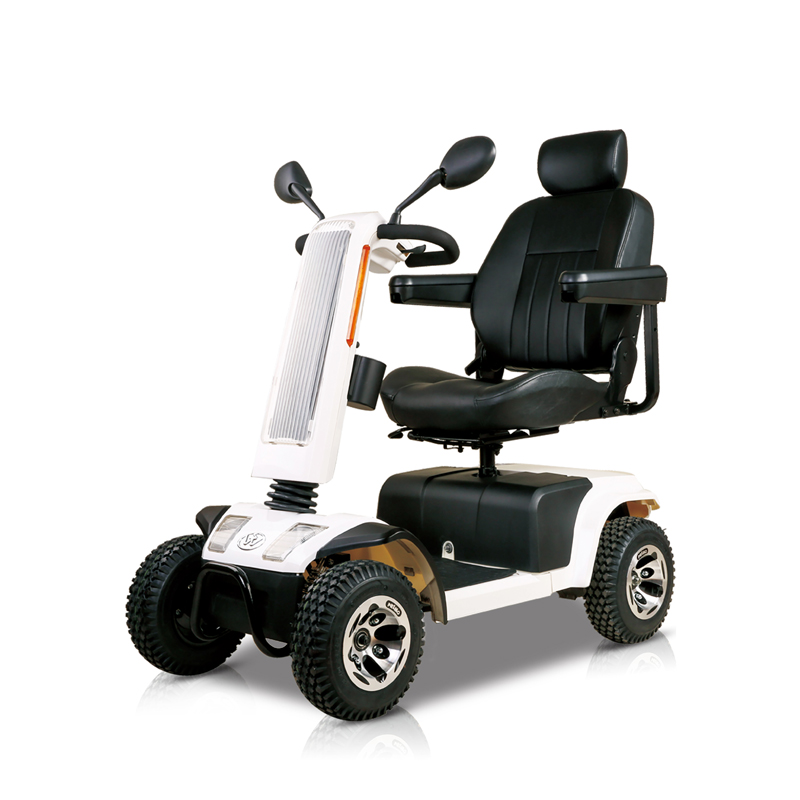
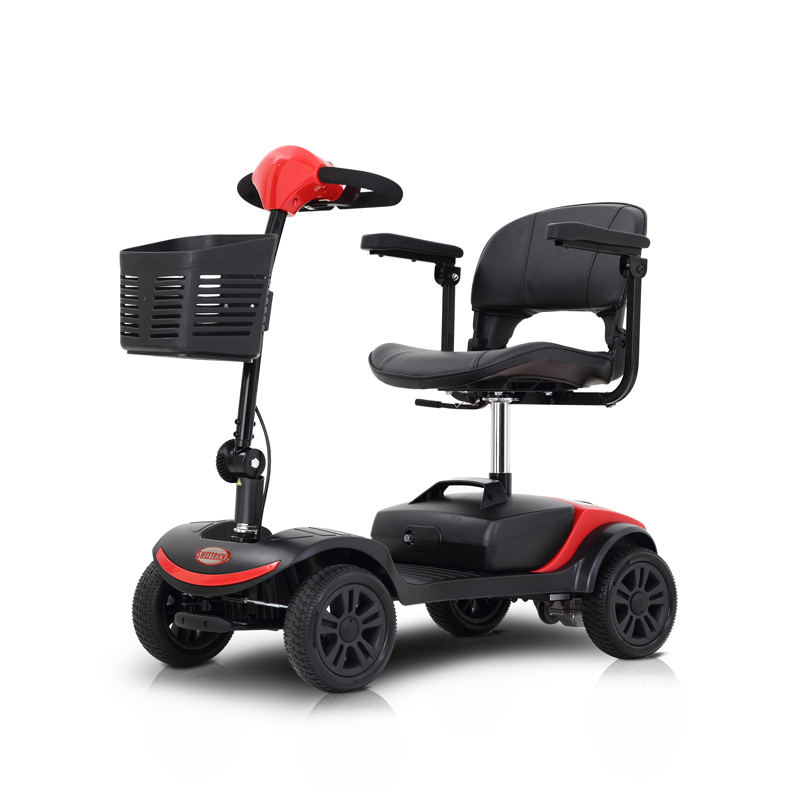
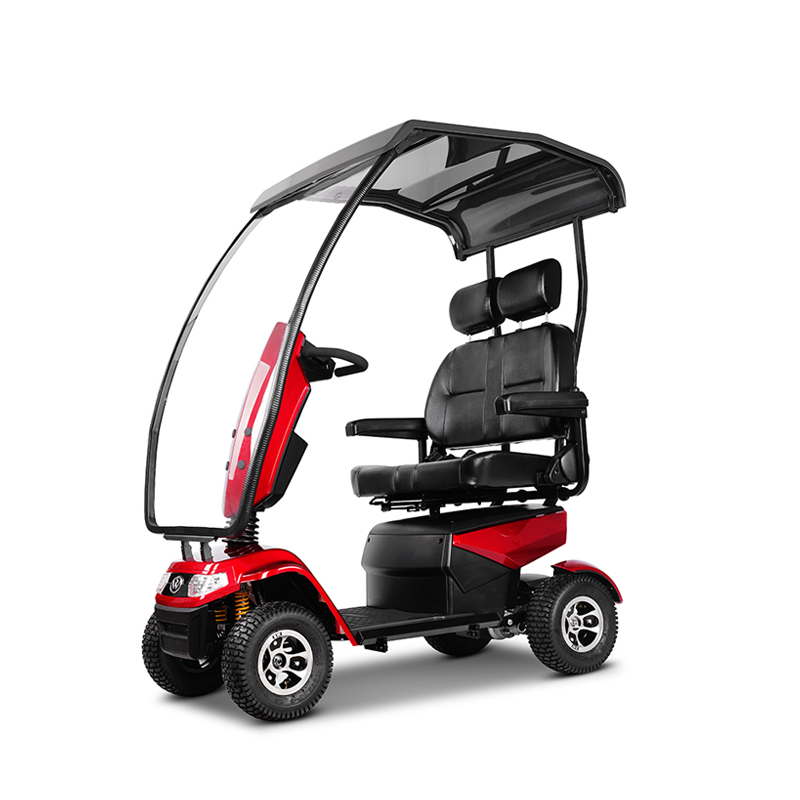
Four-wheel scooters emphasize steadiness. The rectangular footprint distributes support evenly, offering greater resistance to side tipping on uneven paths or during directional changes. This layout suits outdoor use where surfaces vary or gentle slopes appear. The wider turning path demands more clearance for direction shifts, but the added ground contact enhances overall security.
Both configurations benefit from engineering attention. Broader bases in three-wheel models narrow the stability gap with narrower four-wheel versions. Compact four-wheel designs preserve reasonable agility while retaining balance advantages.
| Configuration | Key Advantages | Stability Features | Best For |
|---|---|---|---|
| Three-Wheel | Nimble turns; Narrow navigation | Triangular base; Rear anti-tip aids | Indoor spaces (doorways, aisles) |
| Four-Wheel | Even support; Side tipping resistance | Rectangular footprint; Added ground contact | Outdoor paths (uneven surfaces, slopes) |
| Both | Engineering optimizations for balance and agility | Broader bases (3W); Compact designs (4W) | Varied environments with careful use |
Terrain, Speed, and Environmental Effects
Surface conditions dictate stability requirements. Flat, smooth areas allow scooters to operate near design limits with minimal concern. Irregular paths introduce variables that test tires, suspension, and frame response. Slopes demand straight approaches to align forces properly and avoid side overload.
Velocity amplifies dynamic effects. Increased speed raises centrifugal loads in curves, heightening side demands. Gradual inputs during acceleration and braking minimize pitch disturbances.
Rider positioning matters. Sitting centered with feet placed evenly maintains intended weight distribution. Abrupt movements can momentarily alter dynamics, so deliberate posture supports equilibrium.
Weather introduces complications. Moisture reduces surface friction, raising skid potential. Wind exerts sideways pressure, especially in open areas. Streamlined shaping lessens drag influence.
Rider Habits That Support Stability
A lot of how steady the scooter feels comes down to what the rider does every day. Start by spending some relaxed time rolling around on flat, open pavement so you get a real sense of how it turns, stops, and reacts when you ease off the throttle. Slowly build up your speed over a few rides; that way you learn its personality without any sudden surprises. Try to keep extra weight to a and put anything you carry right in the middle—bags or groceries hung off one side can quietly pull the balance off-kilter.
Get in the habit of a quick once-over before each ride. Glance at the tires to see if one side looks more worn than the other, peek under the frame for any little dents or cracks that weren't there last week, and brush off dirt or pebbles that might have collected around the wheels or moving joints. Make sure the seat, tiller, and any basket or bag are actually tightened down; a loose part can wiggle just enough to throw you off when you hit a small bump.
Every couple of months (or sooner if you ride a lot), have someone who knows these scooters take a proper look. They'll plug in to check that the electronics are reading tilt and speed the way they should, tighten up anything that's worked loose, and make small tweaks so the safety systems stay sharp and ready.
Design Advancements Addressing Stability
People who build these scooters are always trying to solve the same puzzle: how do you make something feel planted and safe without turning it into a heavy brick that's hard to lift or store? Lately some frames have little flexible spots built in—kind of like built-in shock absorbers in the structure itself—so when you hit a curb or pothole the jolt gets softened instead of rattling straight up your spine.
There are now stabilizing bars or small outrigger-style wheels that you can slide out farther when you know you’ll be on uneven ground, then tuck back in for tighter indoor turns. The electronic side has gotten smarter too; the little tilt sensors notice even slight leans sooner and can ease power to one wheel or feather the brake just enough to nudge everything back level without you feeling the correction.
Newer materials let manufacturers keep the frame tough while shaving off pounds here and there, which helps drop the center of gravity a bit more naturally. A handful of models are starting to come with "upgrade-ready" sections so if better batteries, stronger linkages, or fancier sensors come out in a year or two, you don't have to buy a whole new scooter to take advantage of them.
Down the road it's not hard to imagine scooters that quietly check the route ahead—maybe through basic GPS slope info or vibration feedback—and automatically dial things back a notch before you reach a steep bit.
Practical Challenges in Stability Engineering
The people designing these things are constantly juggling trade-offs that don't always play nice together. Everyone loves a scooter that's light enough to lift into the back of an SUV or roll into a closet, but the physics of staying upright usually likes a little extra weight sitting low and centered. Keeping the price tag reasonable so regular folks can actually buy one often means leaving out the fanciest sensors or adjustable everything you see on higher-end models.
Riders aren't one standard size or strength level. What feels for a five-foot-two woman who mostly shops at the grocery store might feel tippy or cramped for a six-foot man who rides to the park every afternoon. That pushes designers to add more adjustability—seats that go up and down easily, tillers that telescope, armrests that swing wider—but every knob and lever adds complexity and cost.
Someone who almost never leaves the house has very different priorities than the person who regularly crosses cracked sidewalks and gentle driveway ramps. Trying to make one scooter handle both worlds well, without it feeling either overbuilt or underprotected, is still the hardest part of the job.
The sharpest lessons usually come straight from users. When people say "I felt wobbly here" or "this little thing keeps catching on curbs," those stories point engineers toward the next round of fixes more than any lab test ever could.
Emerging Directions in Scooter Stability
Things are heading toward scooters that feel almost like they're paying attention to the ride the same way a good driver does. We're starting to see prototypes and concepts that use very basic forward-looking sensors—nothing fancy, just enough to pick up on upcoming slopes, loose gravel, or a sudden dip—and make tiny preemptive changes so the rider never has to react hard.
There's also more interest in building with materials that are kinder to the planet: lighter alloys and composites that still hold up for years instead of ending up in a landfill after a couple of seasons.
On the human side, clearer how-to guides, short videos, and plain-language explanations could go a long way. When someone understands why keeping weight centered matters, or how those little rear wheels actually stop a tip before it happens, they ride with more confidence and make fewer mistakes.
| Emerging Direction | Description | Main Benefits |
|---|---|---|
| Forward-Looking Sensors | Basic sensors detect upcoming slopes, gravel, or dips and make small automatic adjustments | Preemptive corrections; smoother, safer rides without sudden rider input |
| Eco-Friendly Materials | Lighter, durable alloys and composites designed for long life and recyclability | Reduced weight (lower center of gravity); lower environmental impact; extended product lifespan |
| Improved User Education | Clear how-to guides, short videos, and simple explanations of stability features | Increased rider confidence; better understanding of weight distribution and anti-tip mechanisms; fewer errors |
Why choose Sweetrich products
With a focus on balanced designs that prioritize steady handling through features like well-placed weight distribution, effective suspension, and dependable anti-tip safeguards, these scooters help riders navigate daily paths—whether smooth indoor floors or uneven outdoor surfaces—with greater assurance.
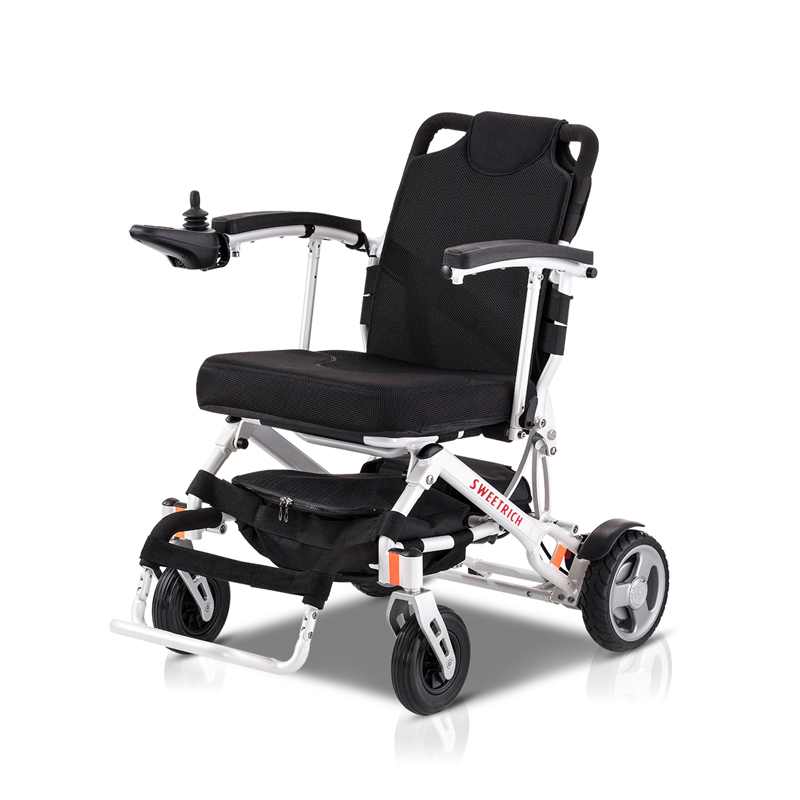
Sweetrich emphasizes portable, user-friendly builds that fold or disassemble easily for transport, comfortable seating that adjusts to different needs, and durable construction backed by years of dedicated development in mobility solutions. Riders often appreciate the attention to everyday comfort, from padded seats and convenient controls to solid traction that holds up over time.