
 +86-(0)512-82283871
Content
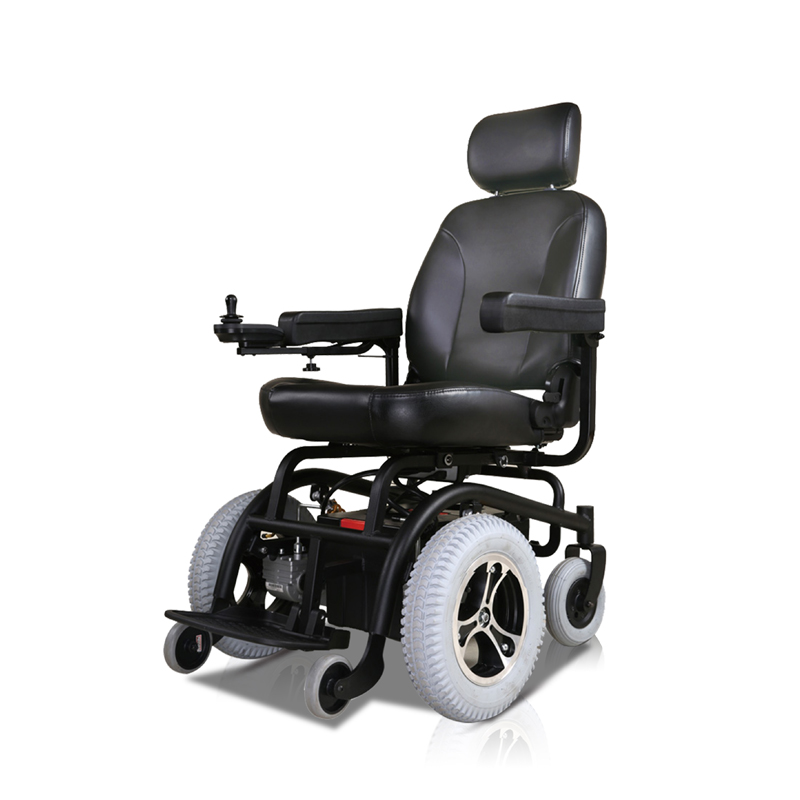
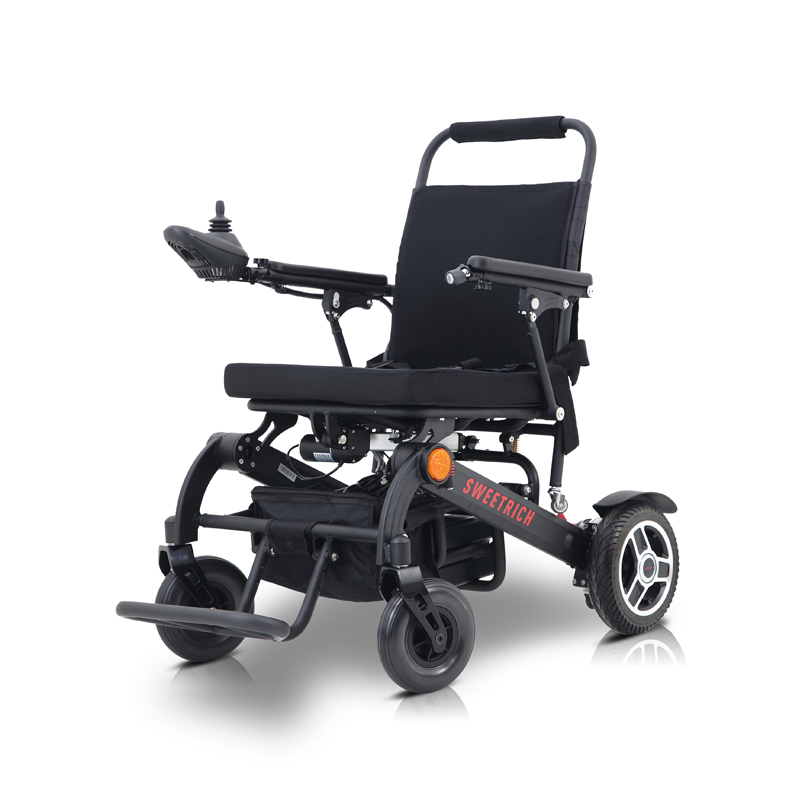
Electric wheelchairs give people greater freedom to move around homes, offices, shops, and outdoor areas without depending on others for every step. The driving control system of Sweetrich Wholesale Wheelchair Manufacturer stands at the heart of this freedom—it takes whatever signal the user sends and turns it into actual wheel movement, speed changes, and direction shifts while keeping things as safe and predictable as possible.
How the Main Parts Work Together
The control setup starts with whatever the user touches, presses, or breathes into to give directions. That input creates an electrical signal that travels to a central processor. The processor reads the signal, figures out what motor action matches the command, and sends power to the drive motors—usually one on each main wheel. By running one motor faster or slower (or even backward) compared to the other, the chair turns smoothly without a separate steering part.
Batteries sit low in the frame to help keep the chair stable. The control electronics constantly watch battery charge so the user gets warnings before power runs too low. Wiring bundles everything together, and small sensors on the wheels or frame track how fast each wheel actually spins, letting the system correct for things like slippery spots or small bumps.
Everyday Input Options
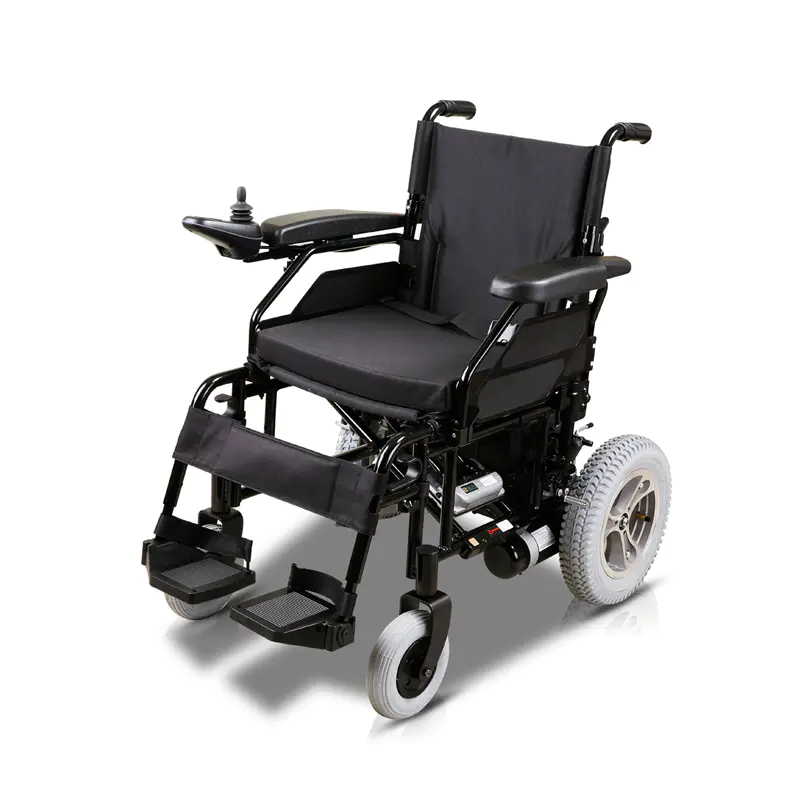
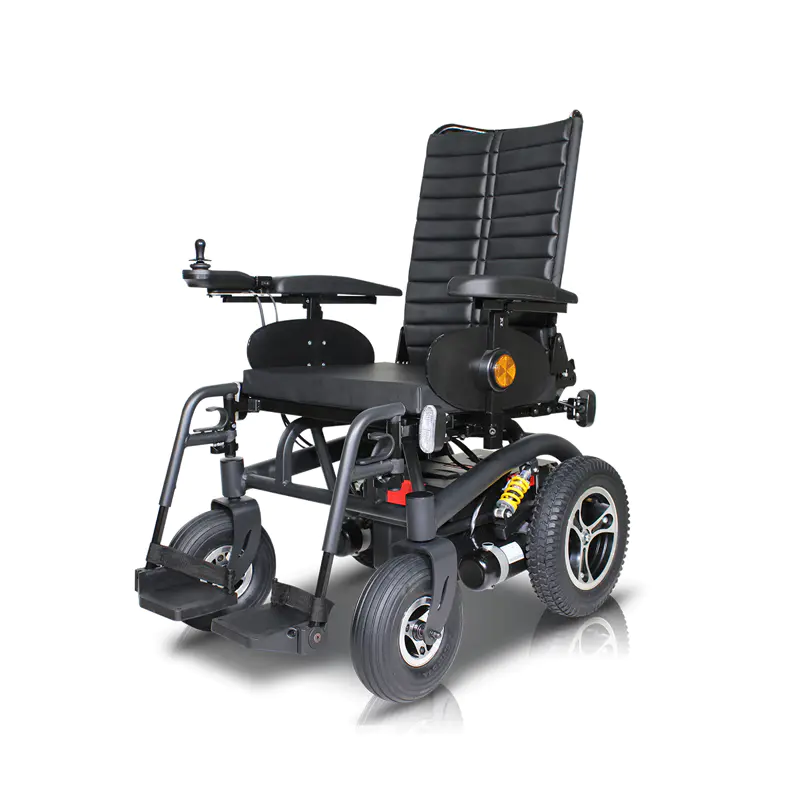
A hand stick remains the go-to choice for many users. You push it forward to go ahead, pull back to reverse, and move it left or right to turn. The farther you push, the quicker the chair responds, giving a natural feel for gradual speed changes when crossing rooms or sidewalks.
Switch-style controls use separate pads or buttons—one for forward, one for each turn direction. Movement happens at fixed speeds rather than varying with pressure, which helps when hand tremors or weak grip make fine adjustments hard. Some versions let you program different speed steps for different places, like slower inside crowded areas.
Breath controls rely on a small tube near the mouth. Sipping air in or blowing out creates pressure that the system translates into commands. Different strengths or patterns handle forward, reverse, left, and right. Users practice to build consistent breathing signals, and the chair gets tuned to recognize their personal style.
Head controls place pads or sensors around a headrest. Leaning or pressing against them signals turns or forward motion. Some setups respond to how far or hard the head moves, while others use simple on-off contact. This works when arms are limited but neck movement stays reliable.
Other methods follow eye direction through small cameras or detect tiny tongue or facial movements against sensors. These need setup time and practice, but they open doors for people with very little body control elsewhere.
Turning a Signal into Wheel Motion
An input begins as a tiny change—pressure on a stick, air in a tube, or head tilt. The processor gets that change and applies rules to decide motor power and direction. For a gentle curve, it might ease power to one wheel while keeping the other steady, letting the chair arc without jerking.
Wheel sensors measure real rotation and spot differences that signal slips or slopes. The system tweaks power right away to hold the intended line. When the user stops giving input, brakes engage gently, sometimes sending a bit of energy back to the battery. All this happens fast enough that movement feels connected and immediate.
| Step in the Process | What Happens | Key Outcome / Benefit |
|---|---|---|
| Input Detection | Tiny change (pressure, air flow, head tilt) reaches the processor | Command starts instantly |
| Signal Processing | Processor applies rules to calculate motor power and direction for each wheel | Precise matching of user intent |
| Differential Turning | One wheel gets reduced power (or reversed) while the other maintains speed | Smooth, jerk-free curves and pivots |
| Real-Time Feedback | Wheel sensors detect actual rotation, slips, or slopes | Immediate power adjustments to maintain path |
| Automatic Braking | When input stops, gentle brakes engage; some energy returns to battery | Controlled, energy-efficient stopping |
| Overall Speed | Entire sequence completes in fractions of a second | Feels direct, responsive, and natural |
Safety Layers That Stay in the Background
Control systems build in protections to lower risks. Overall speed stays capped, especially downhill where gravity pulls harder. Angle sensors notice if the chair tilts too far and cut or reduce power to stop tipping.
Sensors look ahead for walls, steps, or objects. When something gets too close, the chair slows or stops, often with a sound or vibration alert so the user can decide what to do next. A clear emergency button or quick-release stops everything instantly.
Low-battery modes save power for basic movement, and heat sensors pause motors during long, heavy use to protect parts. These features run without getting in the way, letting users focus on where they want to go.
Making Controls Fit the Person
Settings let the system match individual strength and habits. Input response can get lighter for tired days or firmer for steady control. Speed boundaries change for indoor tight spots versus open paths.
Parts swap easily in many designs, so inputs update as needs shift. Seating specialists test different options, watching how someone moves and what feels comfortable. Practice sessions in safe spaces build skill before everyday use.
Support people learn to read alerts and help with simple checks.
Keeping Everything Running Smoothly
Basic upkeep helps controls stay responsive. Look over wires and mounts for wear or looseness. Wipe dust off sensors and inputs with a soft cloth to keep signals clear.
Follow regular battery charging habits to hold capacity longer. Watch for slow starts or odd sounds and note them early.
Yearly visits from technicians check calibration, test motors, and refresh any adjustable settings. Small fixes prevent bigger stops later.
Trade-offs Designers Handle
Building these systems means weighing choices. Fast, accurate response needs to pair with guards against surprise moves. Efficient parts stretch battery time without losing power when needed.
Components endure humidity, dust, or cold weather changes. Testing with different users spots what feels right across abilities.
Daily stories from riders guide tweaks that matter in real life.
| Trade-off Area | What Designers Balance | Purpose / Benefit |
|---|---|---|
| Response Speed vs Safety | Quick, precise inputs vs protections against accidental activation | Smooth control without unintended movements |
| Power Efficiency vs Performance | Energy-saving components vs maintaining needed power output | Longer battery life during daily use |
| Durability vs Environment | Parts that withstand humidity, dust, cold/heat changes | Reliable operation in varied real-world conditions |
| User Diversity vs Design | Broad testing across different abilities and body types | Controls that feel natural and comfortable for more people |
| User Feedback vs Iteration | Everyday rider experiences and stories vs engineering refinements | Practical improvements that solve actual issues |
Where Controls Might Head Next
Newer ideas blend voice commands for extra hands-free help. Systems could learn common paths and ready adjustments ahead of time. Connections might let remote checks or small changes from support contacts.
Lighter pieces and longer-lasting batteries could make chairs easier to move or store. These steps aim to make controls feel more natural and open to more people.
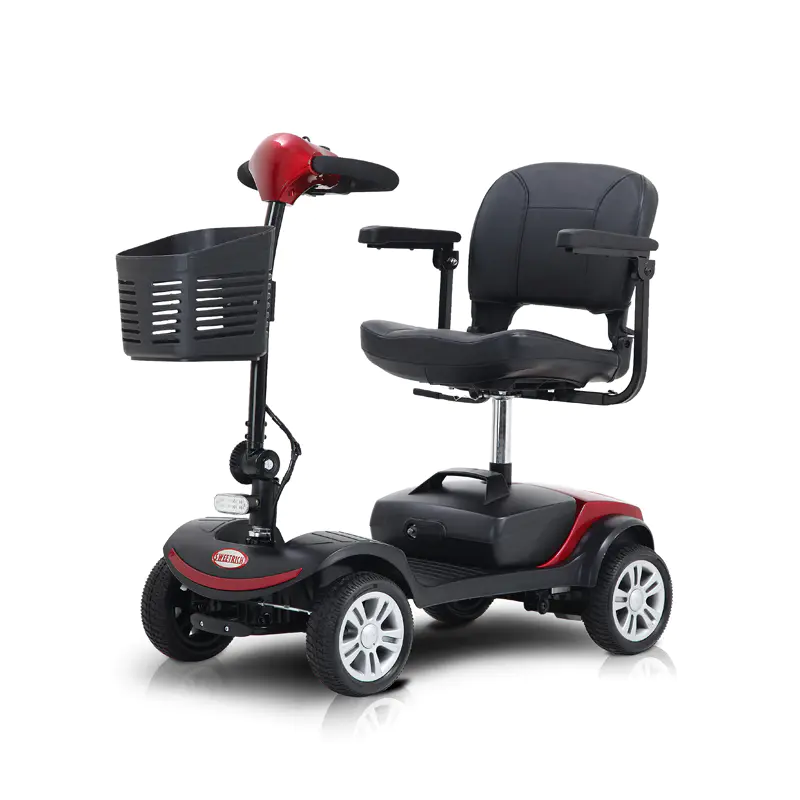
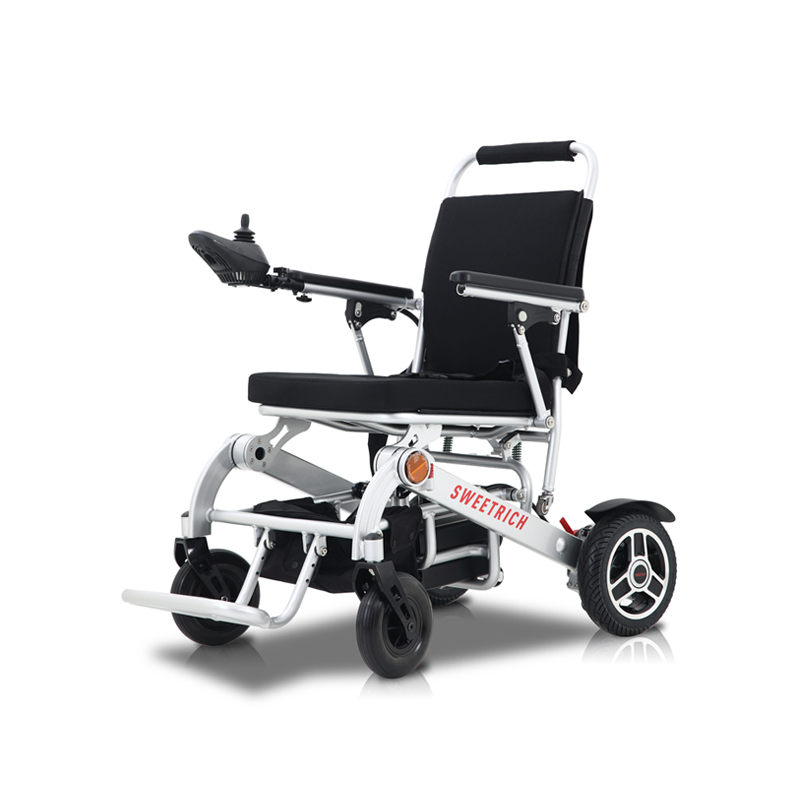
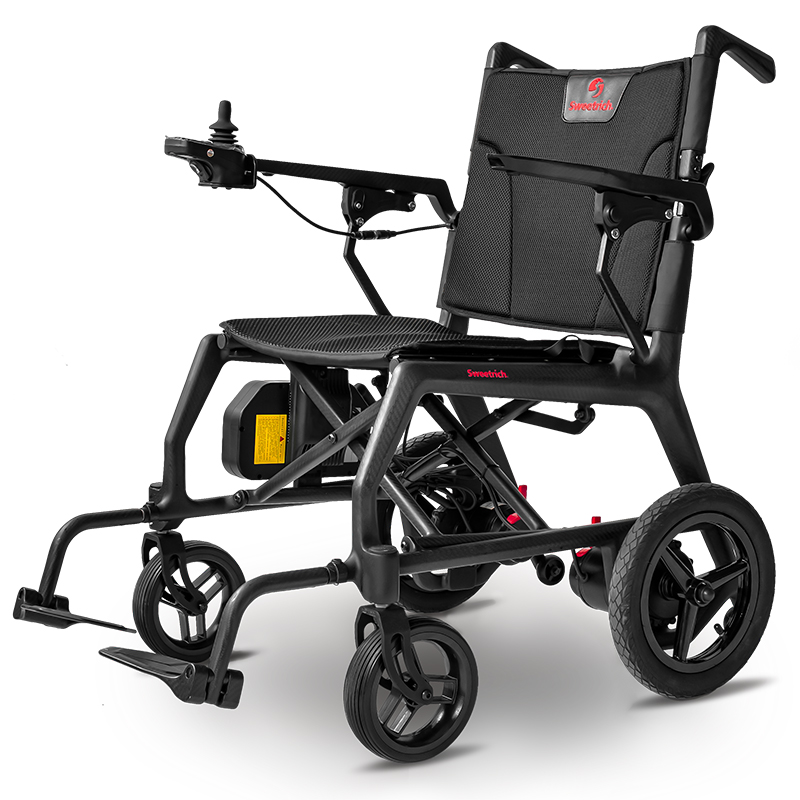
Sweetrich Electric Wheelchairs
Sweetrich wheelchairs focus on practical, well-matched inputs—from responsive hand controls to adaptable alternative options—that feel natural for a wide range of abilities and daily routines. The emphasis stays on smooth, predictable responses, thoughtful safety layers that work quietly in the background, and straightforward adjustments that let users fine-tune speed, sensitivity, and positioning to suit their homes, neighborhoods, or favorite routes. Riders often value the reliable battery management, durable build quality, and consistent performance across indoor floors and gentle outdoor paths, all backed by designs that prioritize ease of maintenance and long-term usability.
For anyone looking for an electric wheelchair where the control system enhances rather than hinders freedom of movement, Sweetrich offers a balanced, user-centered approach that helps people stay active, confident, and comfortably in control of where they go and how they get there.