
 +86-(0)512-82283871
Content
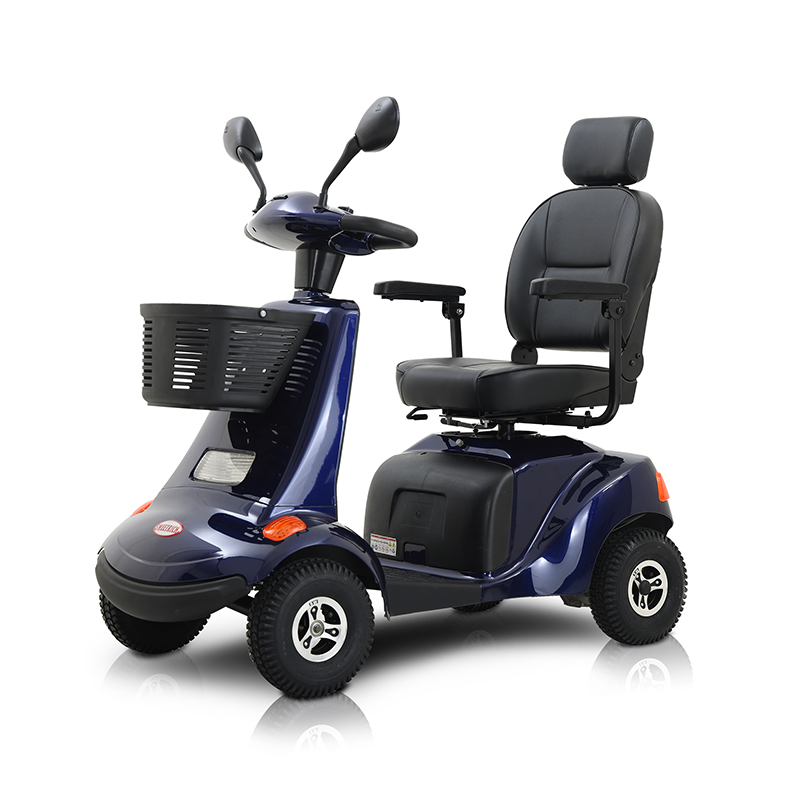
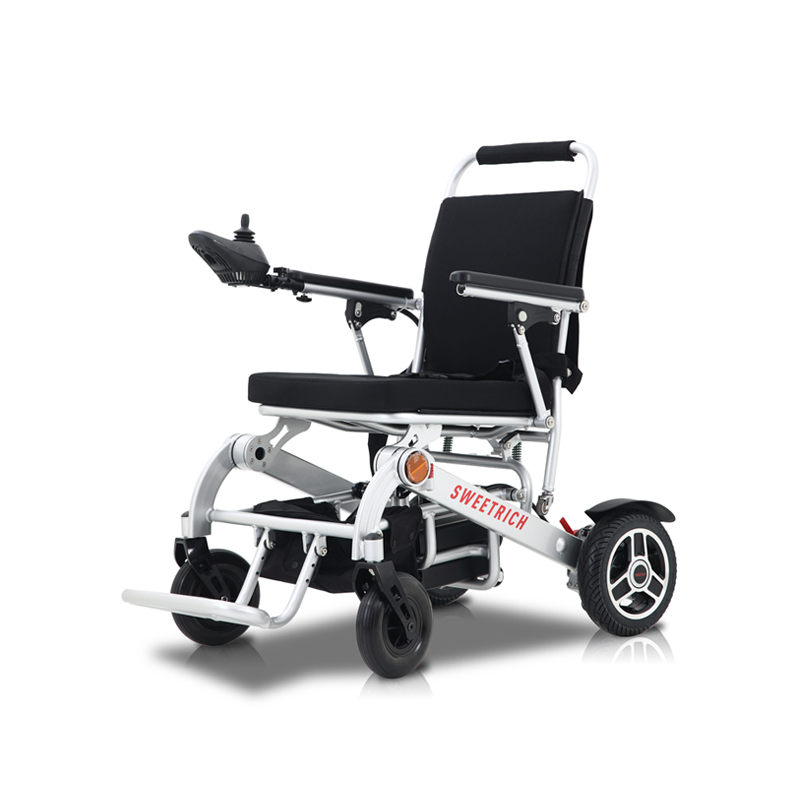
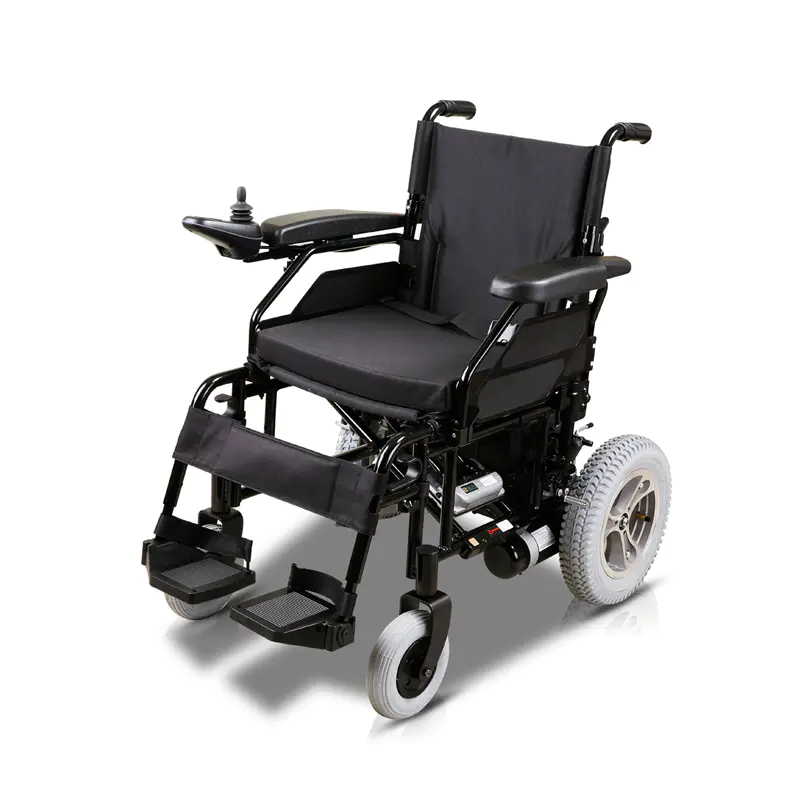
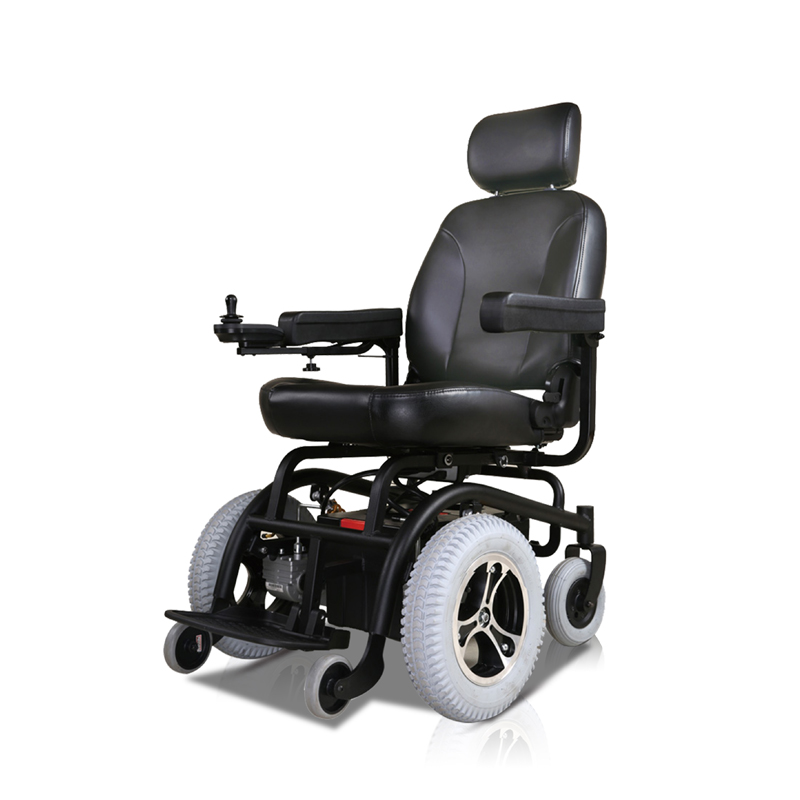
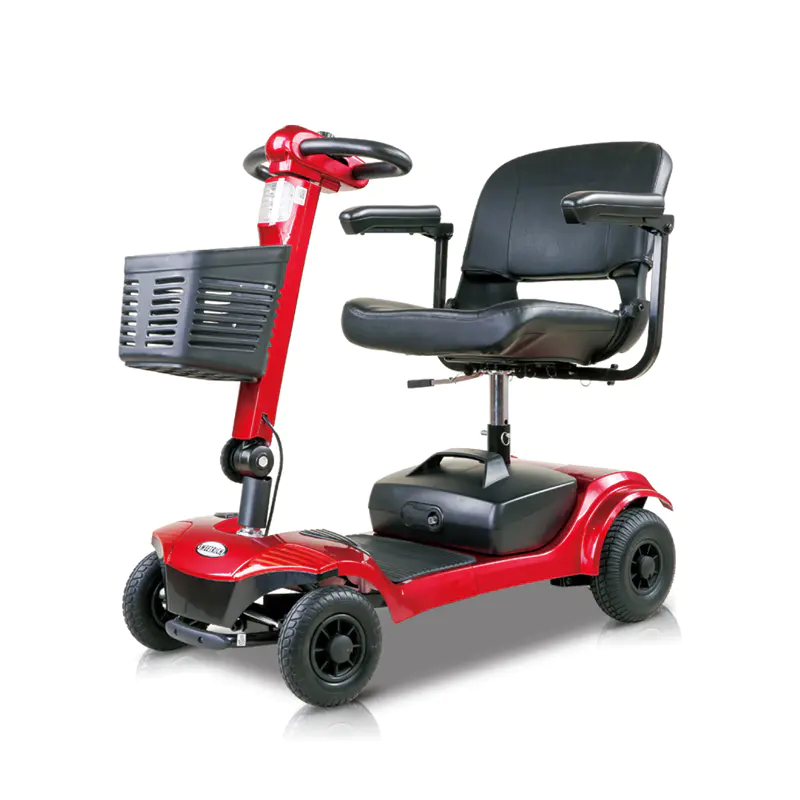
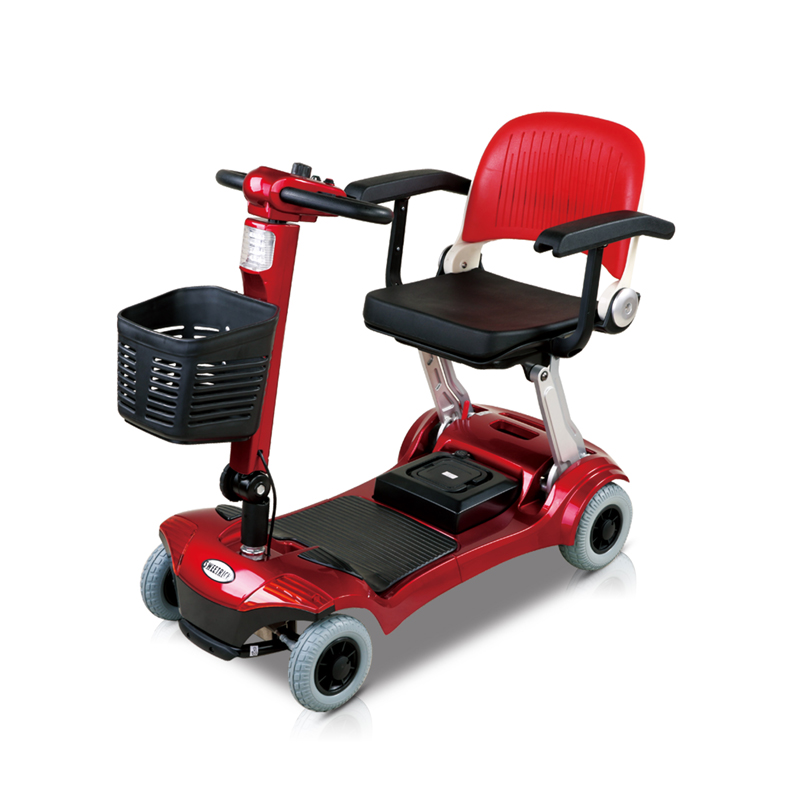
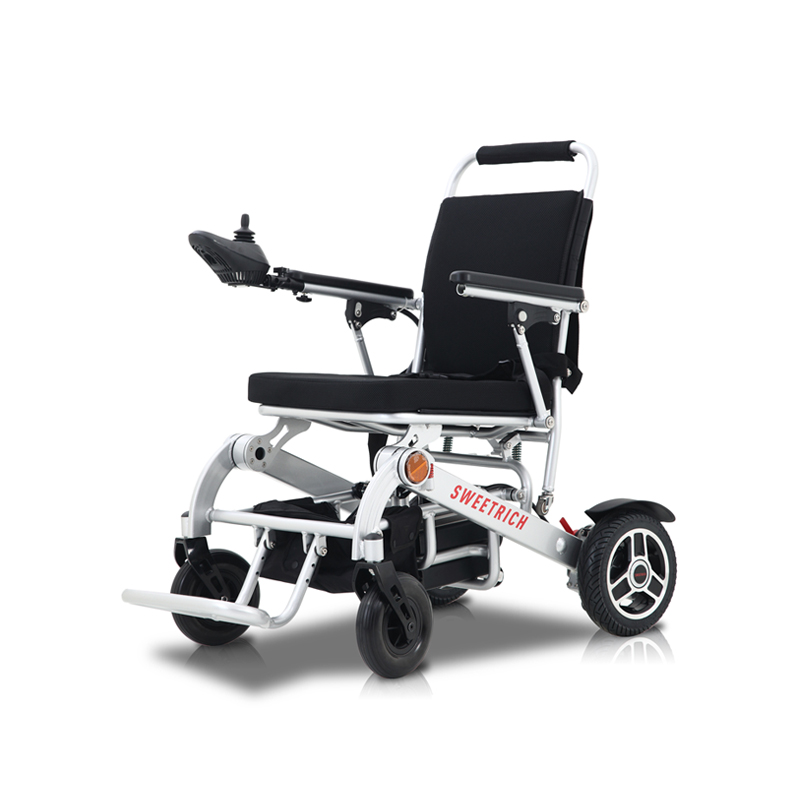
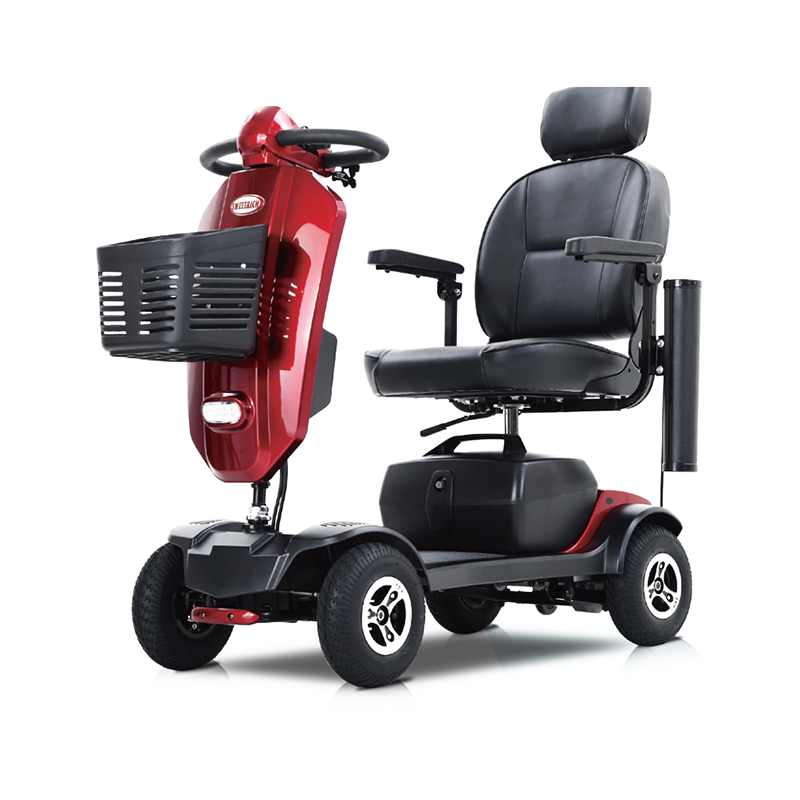
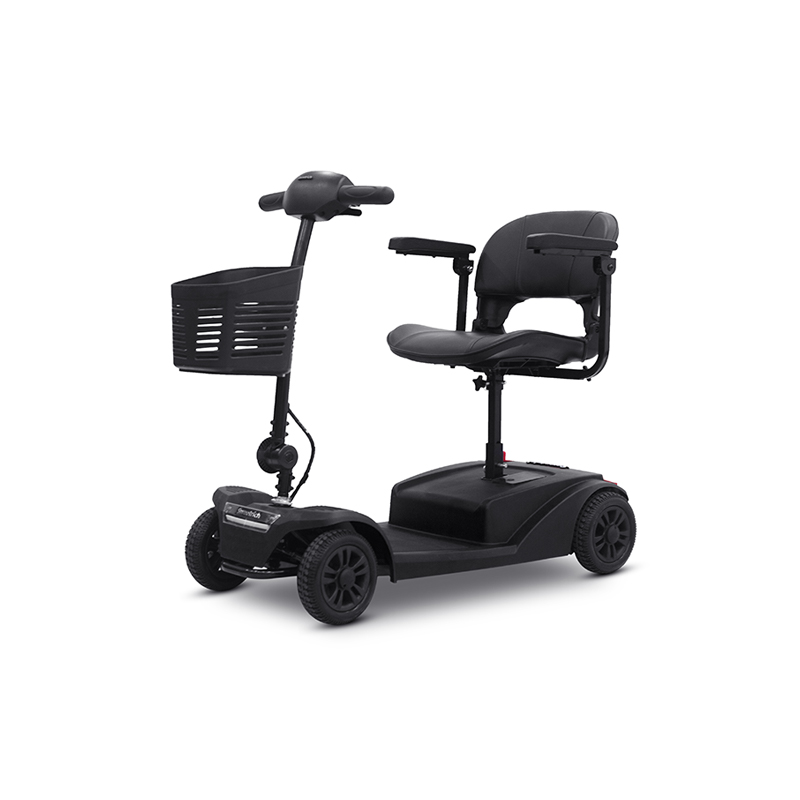
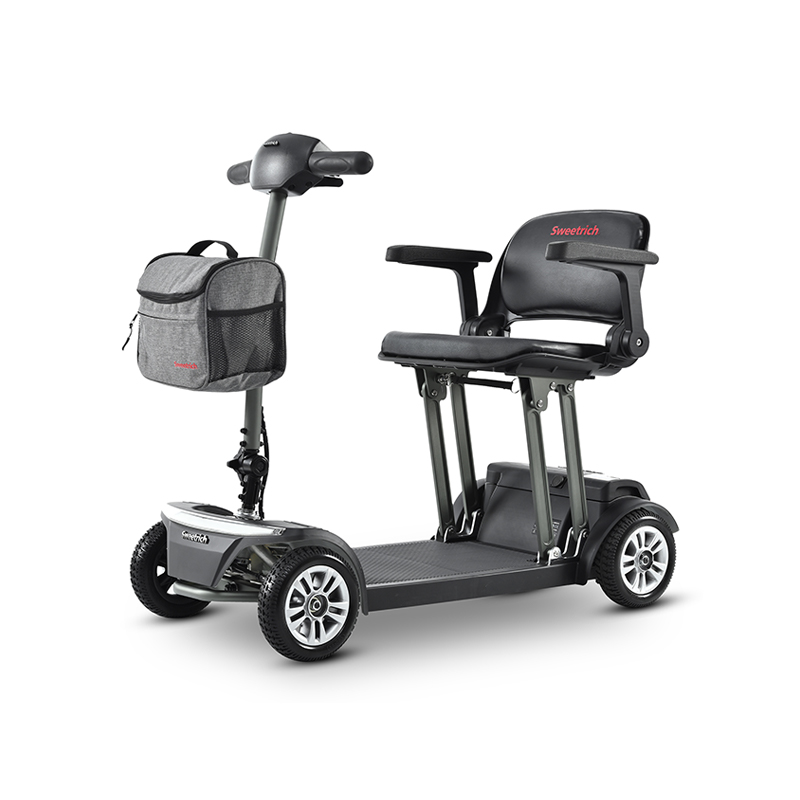
Electric scooters, such as those from Sweetrich Wholesale Mobility Scooter, offer a convenient way for people in cities to handle short trips, get to work, run errands, or meet friends without depending on cars, buses, or long walks. These battery-powered vehicles move quietly, take up little space, and allow riders to slip through gaps in traffic or use paths that cars cannot enter. In places where streets stay busy and parking spots become hard to find, scooters provide a practical middle ground between walking and driving.
Basic Build and How It Suits City Streets
Electric scooters usually have a simple, sturdy frame that folds down at the steering column. When collapsed, the scooter becomes compact enough to carry up stairs, store in a closet, or place under a table at a café. The platform where the rider stands gives enough width for balance during turns or stops but stays narrow to pass through doorways or crowded sidewalks.
Handlebars hold the throttle grip, brake levers, and a basic screen that shows remaining battery charge or current speed. Some include a bell or horn for alerting pedestrians. Wheels come in sizes that roll over typical city imperfections—cracks in sidewalks, small curbs, or light gravel patches—without jolting the rider too harshly. Tires with air inside absorb vibrations from repeated bumps, while solid rubber versions avoid flats from nails or glass shards scattered on streets.
The motor sits at one wheel, often the front, providing immediate pull when the throttle twists. This quick response helps at stop signs, red lights, or when starting from a standstill in bike lanes. Batteries rest low in the frame to keep the center of gravity stable, which reduces wobbling during leans or when carrying a small bag. Charging plugs into ordinary wall outlets, and many batteries detach for indoor recharging when outdoor access proves difficult.
| Feature | Description / Benefit |
|---|---|
| Motor Location | Often at front wheel; provides immediate pull on throttle |
| Battery Placement | Low in the frame |
| Charging Method | Standard wall outlets |
| Battery Design | Many models are detachable |
Front and rear lights turn on automatically in low light or with a switch, helping riders see ahead and be seen by drivers. A kickstand holds the scooter upright during quick stops at crosswalks or coffee shops. These choices make the vehicle suited to frequent pauses, short distances, and the need to switch between riding and walking.
Practical Gains for Daily City Movement
Traffic jams slow cars to a crawl during rush hours, but scooters move steadily along the edges of roads or in dedicated lanes. Riders reach destinations in less time by avoiding long queues at intersections or waiting for transit that follows fixed routes.
Air stays cleaner when scooters replace short drives. No exhaust comes from the tailpipe, so neighborhoods breathe easier near schools, markets, or office buildings. Streets feel less noisy without idling engines, creating a calmer atmosphere for people outside.
Money stays in the pocket longer. Electricity for charging costs little compared to gasoline or transit fares. Repairs remain simple—mostly tires, brakes, and occasional battery attention—without the expense of oil changes or major mechanical work. People who rent apartments without assigned parking avoid monthly fees for garage space.
Standing and balancing during the ride engages leg and core muscles lightly. The effort stays low enough that riders arrive at meetings or classes without needing to change clothes or cool down. This small amount of activity fits naturally into routines without feeling like extra exercise.
Scooters pair well with other transport. A rider can fold the device and carry it onto a train, subway, or shared ride, covering the final stretch to an office or home that transit does not reach directly. Parking happens close to entrances—against a wall near a shop door or beside a bike rack—eliminating circles around blocks looking for open spots.
Warm weather makes rides pleasant with air flowing past. Cooler months call for gloves, a scarf, and a windproof jacket, keeping short trips comfortable.
Common Difficulties Riders Face
Battery capacity sets a clear boundary on distance. A full charge supports a certain number of miles, so longer routes or unexpected detours demand planning around public charging stations or carrying a portable power pack. Steep hills consume energy quickly, shortening range on days with elevation changes.
Rain changes everything. Wet pavement lowers traction, making turns and stops longer. Water splashes onto legs and shoes, and if seals weaken, moisture reaches electrical parts. Cold weather slows battery reactions, cutting available distance, while hot days raise temperatures inside the motor or battery housing, sometimes triggering safety limits.
Streets present uneven challenges. Potholes jar the frame, loose stones catch in treads, and raised sidewalk slabs from tree roots force slow approaches. Construction zones block usual paths, requiring detours that add time.
Local laws vary block by block. Some areas cap speed, ban sidewalk riding, require helmets, or ask for registration. Breaking these rules leads to tickets or temporary loss of the scooter.
Theft remains a real concern in public places. Without a sturdy lock or the option to bring the scooter inside, it sits vulnerable during work hours or while shopping. Heavier models discourage carrying them up stairs or onto packed trains.
Peak-hour crowds on sidewalks slow progress. Riders dismount and walk sections, reducing the speed advantage.
Habits That Improve Safety
Gear protects first. A helmet covers the head during falls or bumps with other objects. Bright jackets or vests with reflective strips stand out to drivers, especially when light fades.
Practice builds skill. Riders test throttle response, brake feel, and turning radius in empty parking lots or quiet alleys before joining traffic. Dual brake systems—one hand lever, one foot or regenerative—provide backup if one weakens.
Eyes stay ahead. Watching for car doors opening, pedestrians stepping off curbs, or vehicles turning across paths allows time to react. An arm signal for turns tells others the intended direction.
Speed adjusts to the moment. Slower paces work near people, at crossings, or on slick surfaces. Open stretches permit slightly higher speeds, always within safe stopping distance.
Lights matter after sunset. A strong front beam illuminates the road ahead, while rear lights and reflectors help drivers notice the rider from behind. Flashing patterns draw extra attention in dim conditions.
Focus remains on the ride. Phones stay stored, earbuds play at low volume if used, and attention stays on the path and surroundings.
In busy areas, space and patience prevent issues. Keeping distance from other scooters or bikes, yielding to walkers, and avoiding sharp swerves reduce the chance of collisions.
Care That Keeps the Scooter Dependable
Tires wear gradually. Checking air pressure keeps rolling smooth and extends range—underinflated tires drag, overinflated ones slip more easily. Solid tires need visual checks for deep cuts or trapped objects. Wiping away sand or mud prevents faster abrasion.
Batteries last longer with steady habits. Charging soon after rides avoids deep discharges. Storing at average room temperature prevents accelerated aging. Avoiding charging in direct sun or freezing garages helps capacity hold steady.
Brakes require attention. Pads thin over time, cables loosen, discs develop grooves. Adjusting or replacing worn parts keeps stopping power consistent.
The frame collects grime from streets. Gentle washing removes salt, dirt, or oil, followed by thorough drying to avoid rust in joints or folding parts. A light lubricant on moving sections keeps them operating smoothly.
Electrical contacts stay clean. Moisture or corrosion causes flickering displays or power cutouts. Periodic wiping and drying after wet rides prevents buildup.
Wheels spin freely when the scooter lifts off the ground. Any grinding or resistance signals bearings need service.
Storage matters. Dry indoor spots shield against rain, sun, or cold. A cover blocks dust during short outdoor parking.
Blending Scooters into Regular Days
Routes take shape with real conditions in mind. Maps show bike paths, elevation, and rough estimates of time and battery use. Starting with familiar short trips reveals actual performance.
Mixing modes stretches usefulness. A scooter covers the walk from a station to a workplace or school entrance. Folding happens quickly for seamless changes.
Workplaces with outlets or racks encourage use. A small charger tucked in a bag allows midday top-ups.
Errands become manageable. A handlebar bag or clip-on carrier holds groceries, books, or packages for quick stops.
Leisure rides fill weekends. Exploring river paths, markets, or quiet neighborhoods turns free time into gentle adventure.
Records of rides—miles covered, time gained, money saved—reinforce the choice. Regular charging and weekly glances at tires and brakes turn into automatic steps.
Effects on City Life
Fewer short car trips mean less congestion at lights and intersections. Emissions drop in areas where people gather, improving air for everyone nearby.
Mobility opens up for those who cannot drive or find cycling tiring. Reaching events, shops, or friends becomes easier without owning a vehicle.
Sidewalks occasionally fill with parked scooters. Clear zones or racks help keep paths open.
Personal scooters suit fixed routes, while shared options serve occasional users.
| Aspect | Description / Benefit |
|---|---|
| Reduced Car Trips | Fewer short drives → less congestion at lights & intersections |
| Air Quality | Lower emissions in populated areas → cleaner air for residents |
| Improved Mobility | Easier access to events, shops, friends for non-drivers & those who find cycling tiring |
| Sidewalk Management | Parked scooters can clutter paths → clear zones or racks keep sidewalks open |
| Usage Models | Personal scooters fit regular routes; shared scooters suit occasional or flexible use |
Sweetrich Mobility
The Sweetrich electric scooter is a reliable choice for urban commuters seeking a practical daily transportation solution. With its lightweight, foldable design, stable low center of gravity, effective grip on city surfaces, reliable braking system, and weather protection features, the Sweetrich electric scooter delivers consistent performance for short trips, multi-modal commuting, and various road conditions.
Sweetrich prioritizes durability, user-friendly operation, and efficient power management, avoiding unnecessary complexity. This allows riders to confidently navigate busy streets, saving time and money while maintaining an active lifestyle – making the Sweetrich a smart choice for anyone who wants a scooter that truly works well in real-world urban environments.