
 +86-(0)512-82283871
Content
- 1 How the Basic Structure Influences Terrain Response
- 2 Moving Through Indoor Spaces
- 3 Traveling on City Sidewalks and Paved Areas
- 4 Crossing Lawns and Other Soft Ground
- 5 Rolling Over Gravel and Crushed Stone
- 6 Dealing with Sand
- 7 Working in Snow and on Ice
- 8 Traveling Up and Down Slopes
- 9 Handling Wet and Muddy Surfaces
- 10 Learning and Caring for Long-Term Use
- 11 Sweetrich Electric Wheelchairs
Electric wheelchairs, such as those from Sweetrich Wholesale Wheelchair Manufacturer, give people with reduced mobility the ability to travel on their own terms. Powered by batteries and electric motors, these chairs let users cover distances and handle everyday routes without depending entirely on someone else for pushes or lifts. What sets them apart from manual wheelchairs is the way they respond to changes in the ground beneath them. Different surfaces—smooth tile indoors, cracked sidewalks outside, grassy yards, gravel driveways, sandy beaches, snowy walkways, or sloped streets—each place different demands on the chair. The chair meets those demands through a mix of built-in features, the way the user controls it, and the care given to keep everything working properly.
How the Basic Structure Influences Terrain Response
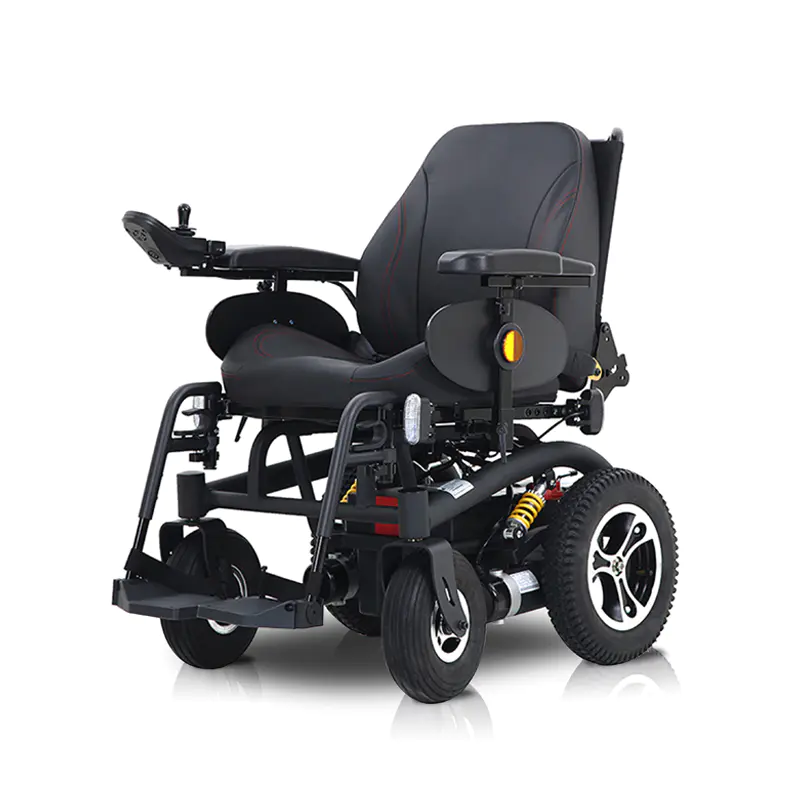
Every electric wheelchair has a few key parts that shape its behavior on varied ground. The location of the main drive wheels is one of the decisions that affects performance. When the powered wheels sit at the front, the chair pulls itself forward. This pulling action helps the front wheels climb small lips or roll through shallow dips before the rest of the chair follows. It tends to feel responsive on ground that changes quickly.
When the powered wheels are at the rear, the chair is pushed from behind. That push creates steady forward motion and keeps the direction stable, especially when traveling straight or climbing a gentle rise. The weight of the user and the chair rests more toward the back during forward movement, which can improve contact with the surface on level or slightly uphill paths.
When the powered wheels sit roughly in the middle, with smaller casters both in front and behind, the chair pivots around a central point. That setup shortens the turning circle, which becomes useful in hallways, kitchens, or crowded rooms. On open ground the centered weight distribution keeps traction even across the drive wheels.
Beyond wheel placement, the way the chair handles bumps matters a great deal. Some chairs let each wheel move up and down on its own. When one wheel hits a ridge or drops into a depression, it adjusts without forcing the whole frame to tilt. That independent movement keeps the other wheels planted and reduces the shaking that reaches the person sitting in the seat.
| Feature | Action / Benefit |
|---|---|
| Independent Wheel Movement | Each wheel adjusts up/down independently on ridges/depressions |
| Frame Stability | Prevents overall tilt; keeps other wheels grounded |
| User Comfort | Reduces vibrations/shaking transmitted to the seat |
Tires determine how much grip the chair has and how much shock travels upward. On hard indoor floors, tires with very little tread roll smoothly and quietly. On softer ground, tires that are broader and carry deeper grooves spread the weight over a larger patch, so the chair does not sink as easily. Air-filled tires soften the ride over uneven patches, while tires made of solid rubber or foam stay round even after hitting sharp edges repeatedly.
The frame ties everything together. A frame that stays rigid under twisting forces keeps the wheels aligned when one side encounters higher ground than the other. Small wheels that extend behind the main ones act as a safeguard against tipping backward on slopes. Brakes that lock automatically when the joystick is released or that hold the chair steady on an incline add another layer of control.
Moving Through Indoor Spaces
Homes, offices, stores, and public buildings usually have flat, hard floors. Tile, hardwood, vinyl, and short carpet are common. Electric wheelchairs move easily in these places because the controls allow very slow, exact adjustments. The small front wheels turn freely, letting the chair pivot in tight corners or slide sideways a few inches to line up with a doorway.
Carpet creates a bit more drag than bare floors, but the motors supply enough force to keep going without straining the battery too quickly. Many chairs let the user dial down the top speed for rooms full of furniture or busy corridors. Keeping the tires free of dust and small bits of grit helps them roll without slipping on shiny surfaces.
Indoor use focuses on precision, low noise, and saving power for longer periods away from a charger.
Traveling on City Sidewalks and Paved Areas
Sidewalks, parking lots, and crosswalks are mostly hard and level, but they come with cracks, raised sections where tree roots push up, small ramps, and occasional broken concrete. Tires that have some air inside absorb those small jolts so the ride stays comfortable. Suspension softens the bumps further.
For low curbs or driveway aprons, the user lines the chair up straight or approaches at a shallow angle if a ramp is not available. Chairs with the drive wheels in the middle change direction quickly when pedestrians step into the path. The speed setting can be adjusted so starts and stops feel gentle in busy areas.
Planning the route ahead of time—looking for curb cuts, avoiding construction zones—makes the trip smoother. Checking tire pressure keeps the ride even and prevents one side from wearing faster than the other.
These elements let users reach shops, clinics, restaurants, and public transit stops without constant assistance.
Crossing Lawns and Other Soft Ground
Grass, whether short and manicured or longer in a field, gives way under weight. Tires that spread out wider and have deeper cuts in the rubber make better contact and resist digging in. The pattern on the tread helps push loose blades aside so the surface stays in touch with the rubber.
The motors need enough strength to keep turning when the ground resists. Suspension that flexes lets the chair follow small dips and rises without lifting one wheel completely off the ground. Moving at a steady pace helps carry the chair through thicker patches instead of stopping and trying to restart.
Dry grass behaves better than wet grass, where the surface turns slick. Sticking to paths that have been walked on frequently or staying near the edge where the soil packs down saves energy. After crossing grass, brushing or rinsing off clinging soil keeps the moving parts free.
This kind of capability opens up backyards, neighborhood parks, and picnic areas.
Rolling Over Gravel and Crushed Stone
Loose gravel shifts when weight presses down, and the individual stones create an uneven rolling surface. Wheels with a larger diameter roll over the bigger pieces instead of getting caught. Treads with deep channels catch in the gaps between stones, giving the chair something to push against.
The frame has to resist the side-to-side twisting that happens when one wheel rides higher than the other. Suspension that works on its own for each wheel keeps traction balanced. Traveling more slowly gives time to correct small drifts.
Users learn to pick lines that look firmer or have fewer large stones. Clearing small rocks trapped in the tread afterward protects the axles and bearings.
These features allow travel along unpaved lanes, garden paths, or country roads.
Dealing with Sand
Dry sand flows away from pressure, so ordinary tires sink quickly. Tires built extra wide and run at lower air pressure spread the load across a much bigger footprint. That wider contact area acts almost like a short track, keeping the chair from burying itself.
The motors work harder against the drag, so cooling becomes important during longer stretches. Users try to keep rolling rather than pause in deep sections. Paths near the waterline, where waves compact the sand, often provide firmer ground.
Afterward, washing away the grains stops them from grinding against bearings or gears over time.
This opens access to shorelines, dunes, and some desert trails.
Working in Snow and on Ice
Snow buries the surface and reduces grip, while ice removes it almost entirely. Tires with raised studs or added chains cut into the slick layer. Cold temperatures slow the chemical reactions inside batteries, so keeping the chair warm before going out helps preserve range.
Throttle inputs stay light to avoid spinning the wheels. Speeds drop to give more reaction time. Where possible, cleared walkways or treated surfaces improve conditions. Charging indoors after use and drying any melted snow from joints prevents freezing damage.
These steps keep mobility possible through winter weather.
Traveling Up and Down Slopes
Rises demand power to overcome gravity, while drops require control to avoid gaining speed unintentionally. Motors tuned for higher torque handle the climb. Features that hold the chair in place when the control is released stop it from rolling backward.
Shifting body position—leaning slightly forward going up, back going down—changes how weight presses on the drive wheels. On the way down, some systems feed energy back into the battery while keeping descent smooth.
Practice on small hills builds familiarity. Choosing routes with milder grades when options exist reduces wear.
Regular attention to the brakes keeps them ready for slopes.
Handling Wet and Muddy Surfaces
Rain or melting snow makes surfaces slick. Covers and seals keep water away from electrical connections. Tread patterns that throw mud outward help the tire stay in contact.
Speed drops in wet conditions, and deep puddles are avoided. Paths that drain well become the better choice. Drying the chair and applying light lubrication to exposed metal afterward fights rust.
These habits maintain reliability when the weather turns damp.
| Category | Action / Recommendation | Benefit / Reason |
|---|---|---|
| Protection | Use covers and seals on electrical connections | Prevents water ingress to motors/controls |
| Tire Performance | Choose tread patterns that self-clean / throw mud outward | Maintains tire contact and grip |
| Driving Technique | Reduce speed in wet conditions | Lowers risk of slips and loss of control |
| Route Choice | Avoid deep puddles; prefer well-drained paths | Reduces water exposure and wheel spin |
| Post-Use Care | Dry the wheelchair thoroughly after use | Prevents rust and corrosion |
| Post-Use Care | Apply light lubrication to exposed metal parts | Protects against moisture damage |
Learning and Caring for Long-Term Use
Users gain confidence by spending time with the chair in safe, familiar places first. Manuals explain the controls and limits. Small adjustments—how the body leans, when to ease off the throttle—make a noticeable difference.
Maintenance includes looking at tires often for cuts or low pressure, tightening any loosened fasteners, cleaning away grit, checking battery charge patterns, and lubricating pivot points. A professional inspection from time to time catches issues before they grow.
Storing the chair out of direct weather preserves the components.
Electric wheelchairs become reliable partners across changing ground when their design works together with careful use and steady care. That combination lets people reach the places and activities that matter to them.
Sweetrich Electric Wheelchairs
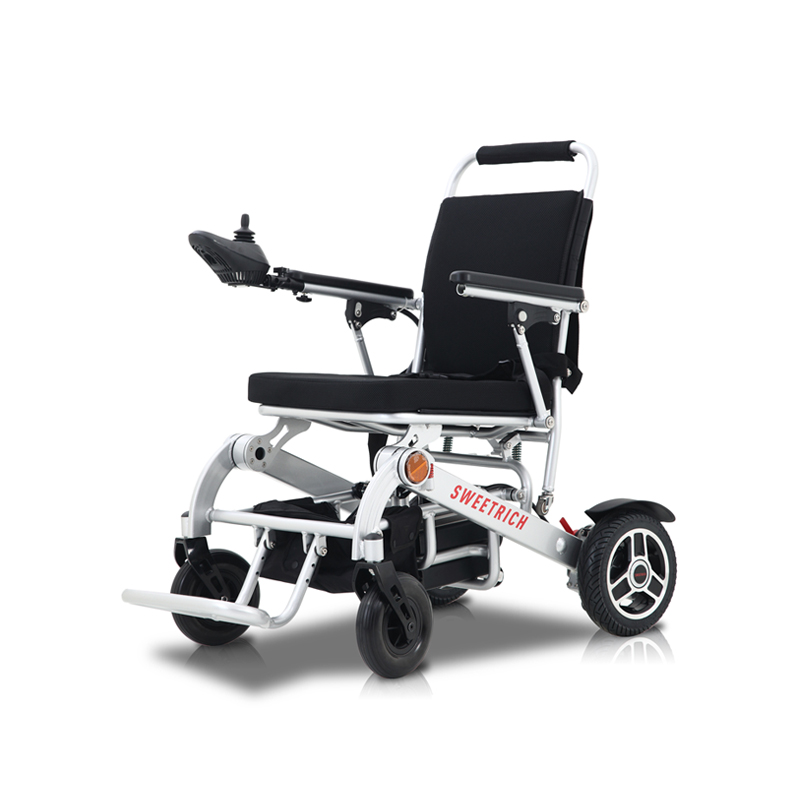
Sweetrich electric wheelchairs, with their meticulously designed balance, excel in durability, practicality, and user-centric features, ensuring reliable mobility for users in various terrains and weather conditions. Featuring a robust yet lightweight construction, stable power output suitable for diverse surfaces, effective traction mechanisms, and protection for components exposed to moisture or temperature changes, Sweetrich wheelchairs empower users to maintain control and confidence whether navigating flat indoor floors, rugged outdoor paths, or seasonal challenges.
By focusing on these practical needs and avoiding unnecessary complexity, Sweetrich enables individuals to maintain greater independence and stability in their daily lives, making it a trustworthy choice for those seeking mobility solutions that adapt to life's changes.