
 +86-(0)512-82283871
Content
Choosing a mobility scooter often comes down to where it will be used rather than how many features it has. Compact and medium models may look similar, but their different sizes can change the way they work in everyday situations.
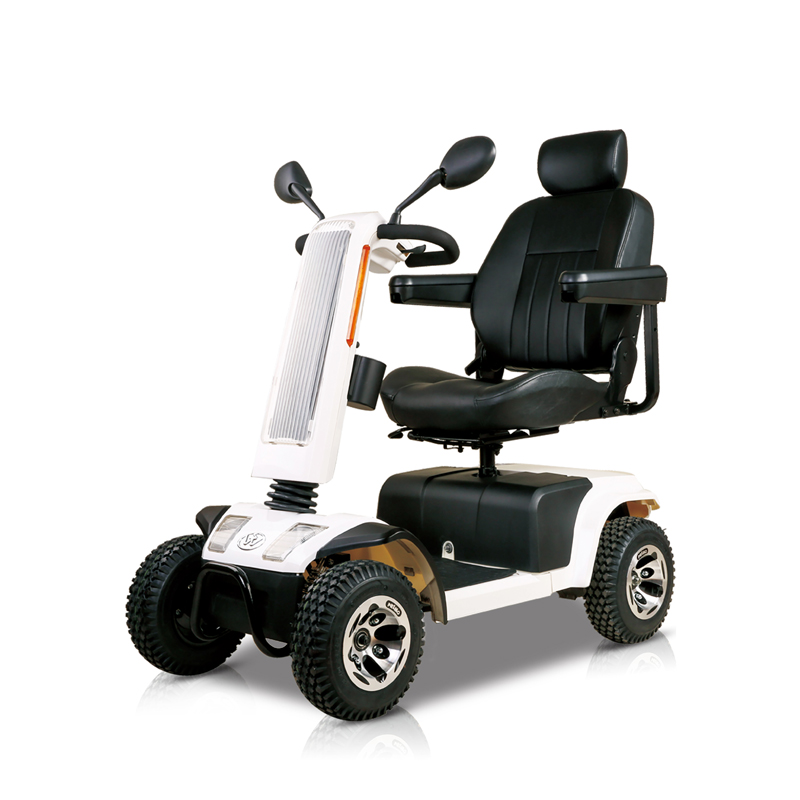
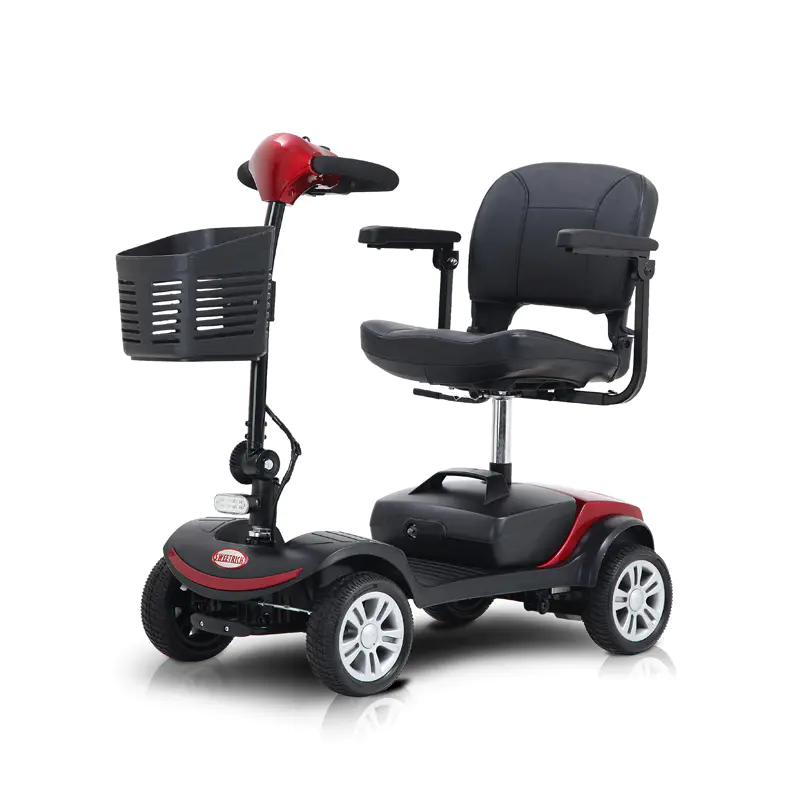
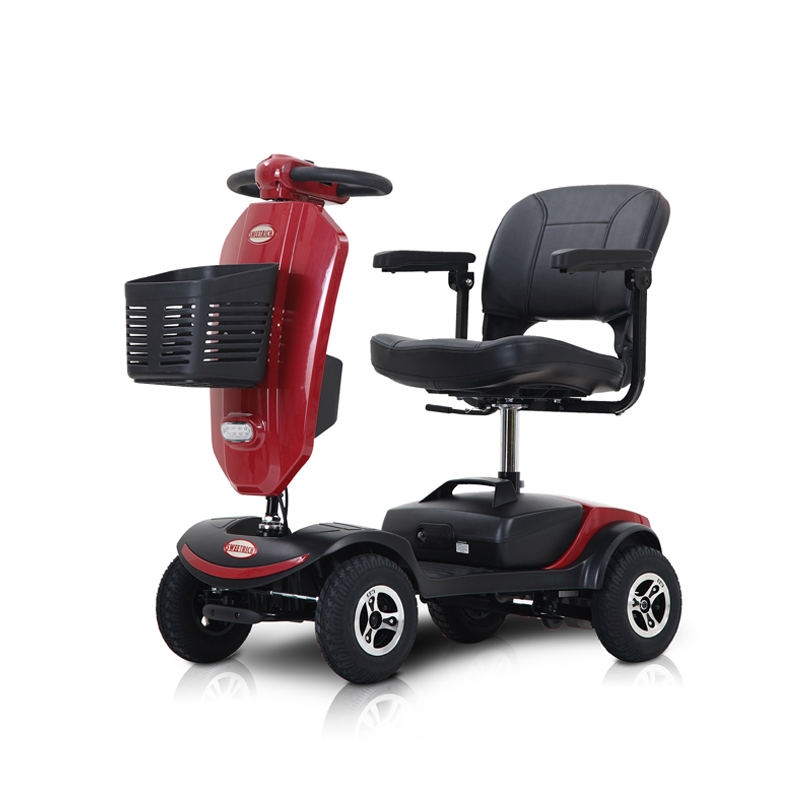
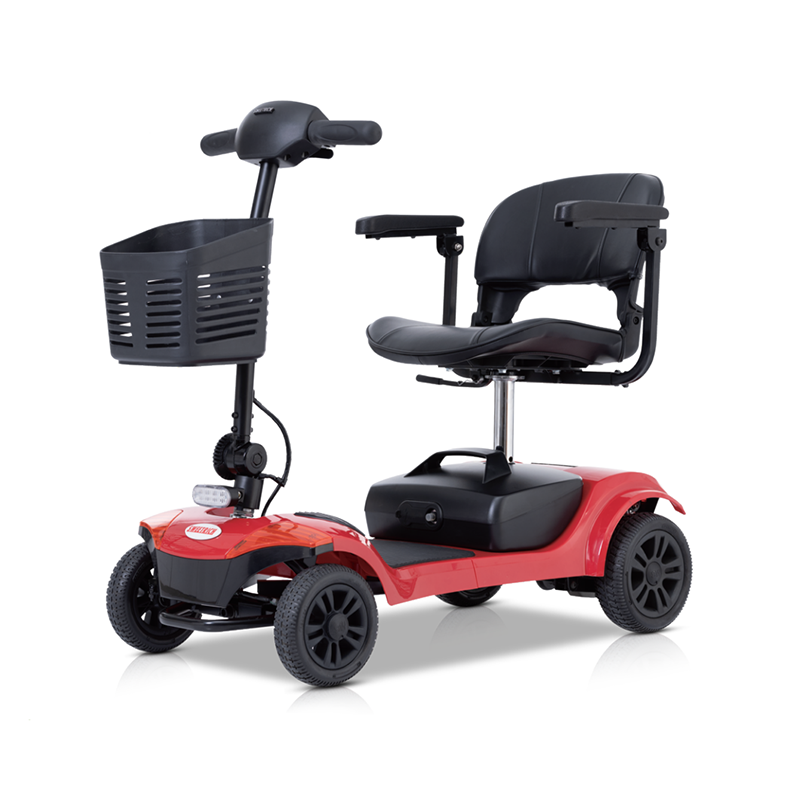
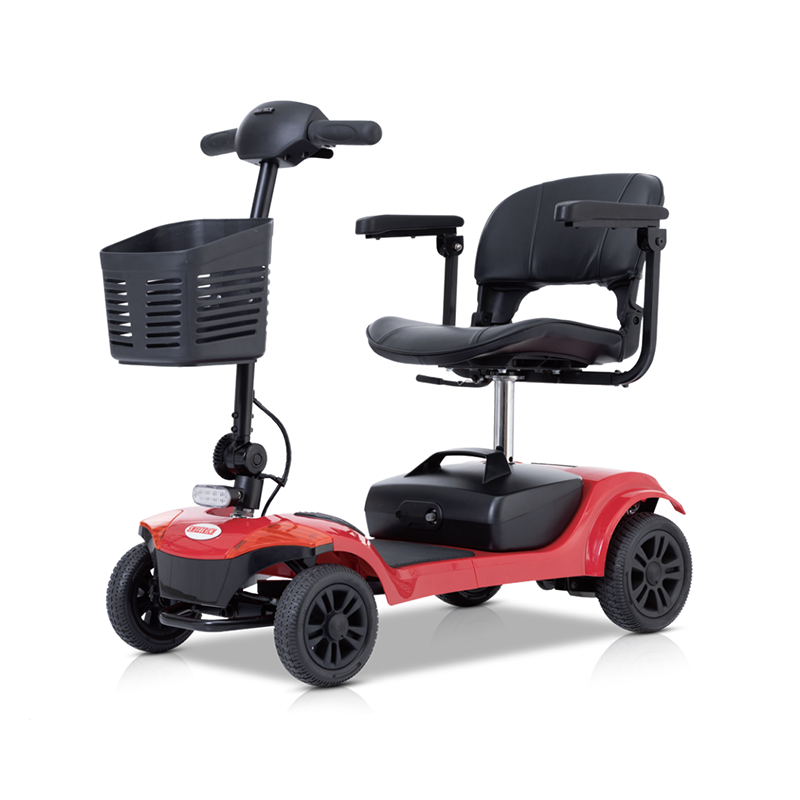
A compact scooter is usually easier to store, carry, and maneuver indoors. It can make sense for someone living in a smaller home or using the scooter mainly for short trips. A Medium Mobility Scooter takes up more space, but the larger frame can provide extra stability, ground clearance, and riding comfort. That difference becomes easier to notice after spending time on the scooter rather than simply comparing specifications.
How Do Physical Dimensions Affect Daily Use
A narrow scooter can pass through residential doorways, hallways, and gaps between furniture with less effort. In an older home where door openings may be relatively narrow, a compact frame can save a lot of awkward reversing and repositioning.
Medium models generally need more room to turn. Their longer wheelbase can make tight corners harder to manage in places such as small bathrooms, elevators, or crowded shops. On open paths, however, the same longer wheelbase can give the scooter a steadier feel. The ride may feel less twitchy when traveling in a straight line.
Ground clearance is another practical difference. Medium scooters often have more space between the underside of the frame and the ground. Small pavement changes, thresholds, or uneven outdoor surfaces may therefore be easier to cross. Compact scooters tend to have a lower deck, which can make getting on and off less demanding, although there is less clearance underneath.
For everyday use, the differences usually appear in simple situations:
- A compact frame is easier to guide through narrow doorways.
- A shorter scooter needs less room when turning indoors.
- Smaller dimensions make storage easier in apartments and other limited spaces.
- A medium scooter may provide a higher seating position and a broader view.
- More ground clearance can be useful on uneven pavement and outdoor paths.
- A longer wheelbase can feel more settled during straight‑line travel.
Neither size works well for every environment. Someone who spends much of the day indoors may have little use for a larger frame. For regular outdoor trips, the additional size may be worth the extra space.
| Dimension | Compact Model | Medium Model |
|---|---|---|
| Overall width | Narrower, fits standard doorways | Wider, may require angled entry |
| Wheelbase length | Shorter, tighter turning | Longer, more stability in straight travel |
| Ground clearance | Lower, easier to mount | Higher, better for outdoor obstacles |
| Seat height | Closer to ground | Slightly raised for better visibility |
What Role Does Weight Play in Practicality
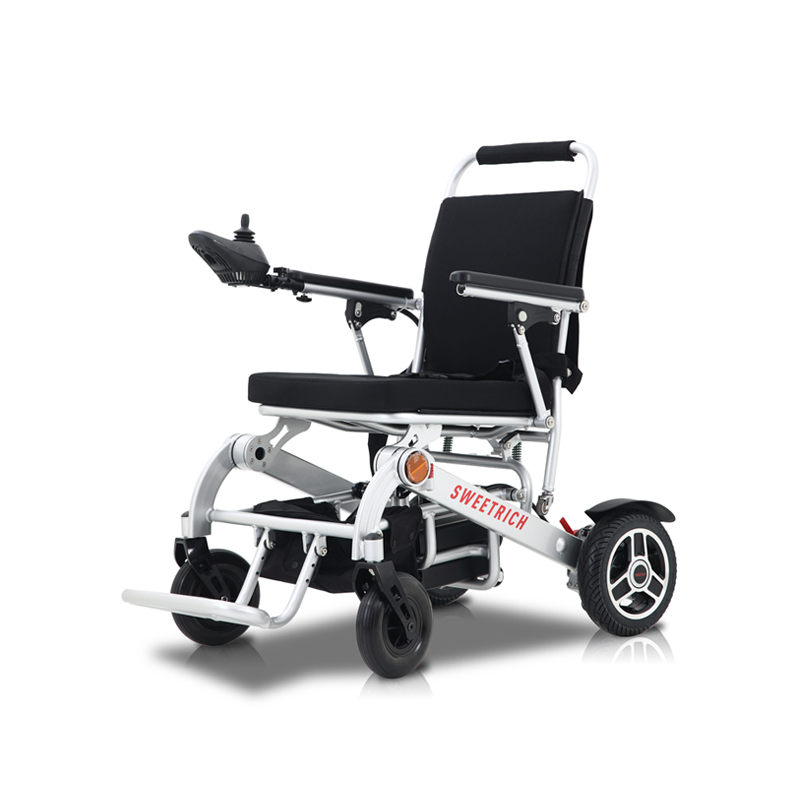
Compact scooters usually keep their weight down through smaller frames, batteries, and components. That makes them easier to transport, especially for people who need to place the scooter in a car regularly.
A Medium Mobility Scooter is generally heavier. The larger frame and battery add mass, and some models may be difficult for one person to lift. A ramp or loading aid can make vehicle transport more manageable.
The extra weight is not necessarily a disadvantage while riding. A heavier frame can feel more stable and less affected by minor bumps. For outdoor use, that planted feeling may be useful, particularly on open paths or slightly uneven surfaces.
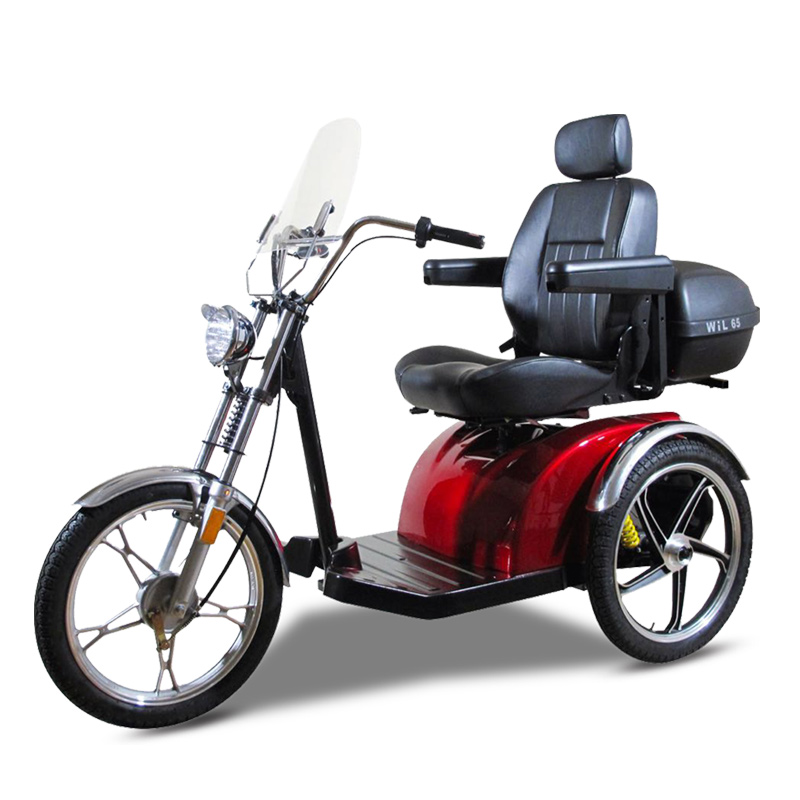
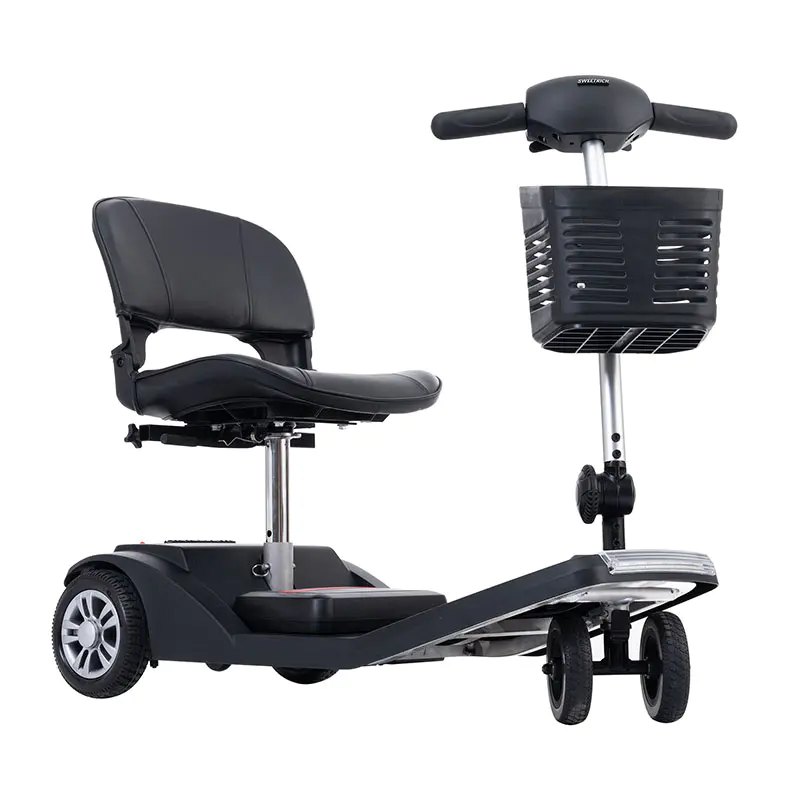
A Portable 3 Wheel Scooter takes a different approach. Its three‑wheel layout can reduce weight and provide a tighter turning circle, making it convenient in confined areas. The smaller footprint can be useful when shopping or moving around indoor spaces. Four‑wheel designs generally provide a broader base, which can be preferable for riders who spend more time outdoors.
Battery use is connected to weight as well. A heavier scooter requires more energy to move, although battery capacity, terrain, tire pressure, motor efficiency, speed, and rider weight all affect actual range. A larger battery on a medium scooter can offset some of the additional load, so battery size alone does not provide a complete picture.
In practical terms, the choice comes down to routine. A compact scooter tends to make transport and indoor maneuvering easier, while a medium model can offer more stability and comfort when space is less restrictive. Looking at daily routes, storage conditions, vehicle access, and the type of surfaces normally traveled will usually give a clearer answer than comparing specifications alone.
Why Does Battery Performance Vary Between Sizes
Batteries take up physical space and add weight to any scooter. The size of the unit determines how much room is available for the battery pack. Compact scooters pack batteries into small compartments, which limits the total energy that can be stored. That smaller capacity keeps the unit light, but it also reduces how far the scooter can go on a single charge. For short trips around the neighborhood or inside a shopping center, that range usually suffices.
Medium‑sized scooters accommodate larger battery packs. The extra storage space allows manufacturers to install batteries with more capacity. Those larger batteries provide longer travel distances, which matters for users who enjoy longer outings or who need to cover more ground during the day. A Medium Mobility Scooter often supports a full day of use without needing a recharge midway through.
There is another layer to consider. Heavier units require more power to move. A medium scooter does not necessarily go further just because the battery is bigger. Some of that extra energy goes toward moving the additional weight of the frame and the rider. The net gain in range depends on how the motor and battery work together. A well‑matched system in a medium unit can still deliver a practical distance that meets the needs of users.
Hill climbing also ties into battery and motor power. Compact models generally use smaller motors. They handle gentle slopes without trouble but may slow down noticeably on steeper inclines. A medium unit with a more powerful motor and larger battery can manage hills with less strain. That becomes relevant in areas with varied terrain, where the scooter needs to maintain a steady pace going uphill and control its speed coming down.
A few observations about battery and power differences:
- Compact scooters charge faster because their smaller batteries need less time to reach full capacity.
- Medium units with larger batteries take longer to charge but provide more hours of use between charges.
- Battery placement affects overall balance—medium scooters often position the battery lower in the frame for better weight distribution.
- Cold weather affects all batteries, but the larger capacity in medium units offers more reserve power during winter months.
How Does Riding Comfort Differ Across Categories
Comfort is not a luxury—it affects how often and how far a person wants to travel. The seat on a compact scooter is typically narrower and offers less adjustment. This keeps the overall width down but can feel restrictive for users who prefer more room or who need extra support. The padding is often thinner to save weight, which works fine for quick trips but may become noticeable on longer rides.
A medium‑sized unit usually comes with a wider seat and more substantial back support. The extra width provides room to shift position slightly during longer outings. Some models in this size range offer adjustable armrests and seat height, allowing the rider to find a position that reduces strain on the back and shoulders. That adjustability makes a difference for people who use their scooter regularly or for extended periods.
Foot placement also varies. Compact scooters have smaller floor decks. Riders with larger feet may find that their heels or toes extend beyond the edge of the deck. That does not affect function, but it can feel less secure. Medium units have longer decks that accommodate a wider range of foot sizes and allow for slight repositioning during a ride.
Handlebar height and angle are another comfort factor. Many compact models have fixed handlebars that suit average heights. Taller or shorter users might find the position less than ideal. A Medium Mobility Scooter often includes tilting or telescoping handlebars that adjust to fit the rider. That adjustability reduces the need to stretch forward or hunch over, which becomes more important as ride duration increases.
Some comfort‑related points worth keeping in mind:
- Armrest width on compact scooters is often fixed, while medium units may offer width adjustments.
- The angle of the backrest varies—medium scooters tend to have a more reclined position for relaxed riding.
- Vibration from the motor and wheels travels through the frame more noticeably in lighter compact models.
- Medium units with pneumatic tires absorb more road shock than the solid tires commonly found on compact scooters.
Which Terrain Can Each Type Handle Comfortably
The question of terrain goes beyond whether the scooter works indoors or outdoors. It involves how well the unit handles specific ground conditions like grass, gravel, cracked pavement, or cobblestones. Compact scooters with smaller wheels perform well on smooth surfaces. Indoors, they glide across tile, hardwood, and carpet without issue. Outdoors on a flat sidewalk, they maintain a comfortable pace.
Once the surface becomes uneven, the limitations appear. Small wheels drop into cracks and get caught on raised edges more easily. The lack of suspension in many compact units means the rider feels every bump and ridge. That feedback can become fatiguing over time, especially on longer routes.
Medium units generally have larger wheels and may include suspension systems. These features smooth out the ride on rough ground. The larger wheels roll over minor obstacles without jarring the rider. Suspension absorbs shock from potholes or uneven paving, providing a more comfortable experience on outdoor trips. For users who live in areas with poorly maintained sidewalks or who enjoy riding on park paths, these differences become significant.
At the same time, the Portable 3 Wheel Scooter has its own terrain profile. The single front wheel can maneuver around obstacles easily but offers less stability on slopes or uneven ground. The two rear wheels provide a stable base, but the overall balance point shifts compared to four‑wheel designs. Riders who frequently encounter varied outdoor conditions often prefer the additional wheel and stability of a medium four‑wheel unit.
| Surface Type | Compact Model | Medium Model |
|---|---|---|
| Indoor flooring | Glides smoothly | Glides smoothly |
| Flat pavement | Good performance | Good performance |
| Uneven sidewalks | Bumpy, less comfortable | Smoother, better shock absorption |
| Grass or gravel | Difficult, may get stuck | Manageable with larger wheels |
| Slopes and hills | Slows down noticeably | Maintains better speed |
What Storage and Transport Considerations Arise
Storing a scooter at home requires space that the user can set aside. A compact model takes up less floor area. It can fit in a closet, behind a door, or in a small corner of a room. Some users park it under a desk or next to their bed. The smaller footprint makes it easier to keep the scooter accessible without cluttering the living space.
A Medium Mobility Scooter needs a more dedicated storage spot. Its longer and wider frame does not fit into tight corners as easily. For people with limited indoor space, finding a place to keep the scooter can be a challenge. That does not make it impossible—just an added consideration when choosing between sizes.
Transporting the scooter in a vehicle presents similar trade‑offs. Compact units often break down into pieces that fit into a trunk. The heaviest piece might weigh less than thirty pounds, which many people can lift alone. A Portable 3 Wheel Scooter excels in this area, with lightweight components that simplify loading and unloading.
Medium scooters require more effort to transport. Some models disassemble into smaller sections, but the individual pieces weigh more. Others do not break down at all and require a ramp or lift to get into a vehicle. For users who drive frequently with their scooter, these transport differences weigh heavily in the decision‑making process. The convenience of a compact unit for daily car trips may outweigh the other benefits of a larger model.
A few transport‑related observations:
- Compact scooters often fit into sedan trunks without folding rear seats.
- Medium units usually require an SUV, van, or trailer for transport.
- Disassembly time for compact models is generally shorter—often under a minute.
- Ramp loading for medium scooters takes more practice but becomes routine with experience.
- Some medium scooters offer quick‑release components that speed up the breakdown process.
The choice between a medium and a compact scooter often comes down to individual circumstances rather than any universal rule. People with limited storage space, frequent travel, or short daily trips may find the compact model more practical. Its lighter weight, easier transport, and smaller footprint align with a lifestyle that values convenience and simplicity.
On the other hand, users who spend extended periods on their scooter, travel on varied terrain, or value a more substantial seating position often lean toward the medium option. The longer range, greater comfort, and stability on uneven ground support a more active outdoor routine. For those who treat the scooter as a primary mode of transport for errands and outings, these features provide meaningful benefits.
Neither category claims to serve everyone perfectly. Each design makes choices about where to put emphasis. The compact version prioritizes portability and indoor maneuverability. The medium version prioritizes ride quality and outdoor capability. Understanding those priorities helps clarify which type fits a given situation.
In the end, the difference between these two sizes comes down to how people use them. A Medium Mobility Scooter works well for those who need a reliable daily companion for varied environments. A compact model works well for those who need something that travels easily and stores discreetly. Neither is a substitute for the other—they exist to meet different needs, and that is what makes having both categories so useful.