
 +86-(0)512-82283871
Content
- 1 How Does a Four Wheel Layout Support Different Roads
- 2 What Role Do Wheels And Ground Clearance Play Outdoors
- 3 Why Is a Four Wheel Design Used for Heavy Duty Scooters
- 4 How Does Suspension Affect Uneven Outdoor Roads
- 5 How Do Steering And Braking Respond to Road Changes
- 6 Which Outdoor Routes Can Four Wheel Scooters Handle
- 7 What Should Be Considered Before Outdoor Use
A mobility scooter may travel across several types of outdoor surfaces during ordinary use. Smooth pavement can give a steady path, while cracked sidewalks, shallow bumps, sloped driveways and loose gravel can create different movement conditions. A route that looks simple from a distance may contain several small changes in surface height or texture.
Road conditions affect how wheels contact the ground and how weight moves through a vehicle. A small change in surface height can cause one wheel to rise slightly before another reaches the same point. Sloped ground can shift the load toward one side, while loose material may reduce the consistency of wheel contact.
Such differences make vehicle structure an important part of outdoor mobility. Four wheels create a support arrangement that extends toward both the front and rear of the vehicle, giving the frame several contact points with the ground.
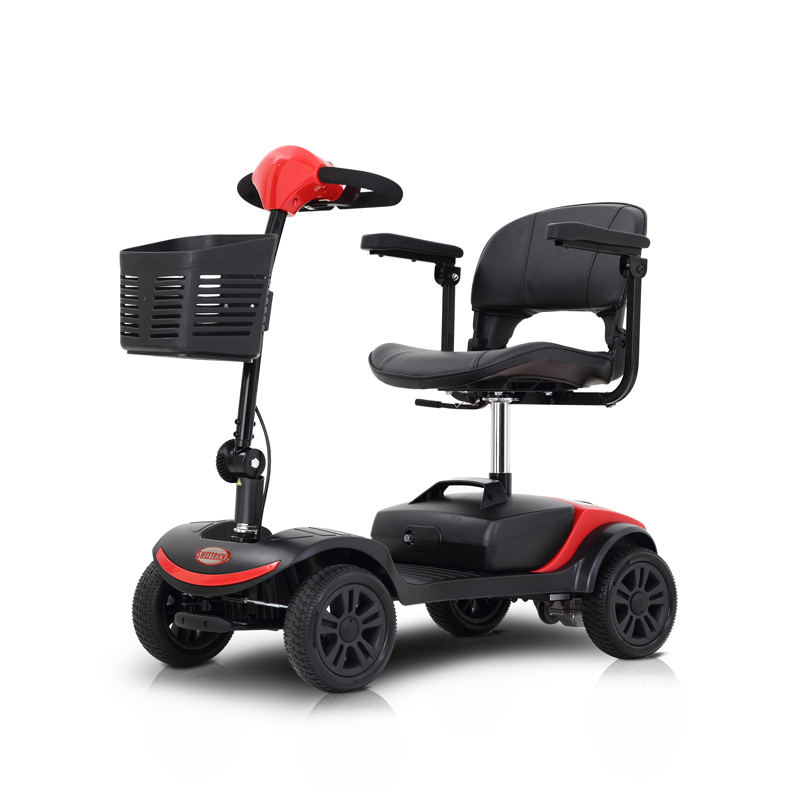
A Heavy Duty 4 Wheel Scooter needs to consider another factor because its frame and supporting structure may carry a greater overall load. Weight distribution, wheel position and frame construction can influence how the vehicle responds when road conditions change.
Outdoor use therefore cannot be judged by wheel count alone. Tire condition, ground clearance, suspension, steering and braking all have a role in how a scooter behaves on different surfaces.
How Does a Four Wheel Layout Support Different Roads
Four wheels create a wider support arrangement than a single front and rear contact line. Front and rear wheels work together as a base for the frame, while the distance between the left and right wheels contributes to lateral support.
On smooth pavement, such an arrangement allows the vehicle to travel along a relatively consistent surface. Small road changes create a different situation. When one wheel passes over a shallow crack or raised section, its position changes in relation to the frame. Other wheels continue to contact the surrounding surface, helping maintain the connection between the vehicle and the ground.
Weight distribution also matters. A seated rider and any carried items add weight above the wheel base, so the position of that load affects how the frame responds during movement.
Several road conditions can create different demands:
- Smooth pavement mainly requires controlled direction and steady wheel contact.
- Cracked pavement introduces repeated small changes in wheel height.
- Uneven ground can create movement between different parts of the frame.
- Sloped roads change how weight is distributed across the wheels.
- Loose surfaces can make wheel contact less consistent.
Four‑wheel construction does not remove the effects of such conditions. Instead, it provides a particular foundation for handling them. Vehicle size, wheel position and overall structure still determine how well a design fits a given route.
Turning also deserves attention. A wider support base can influence how a vehicle moves through a corner, while a narrow passage may limit the available turning space. Road width and vehicle dimensions therefore need to be considered together.
What Role Do Wheels And Ground Clearance Play Outdoors
Wheel design has a direct relationship with outdoor movement. A wheel must roll across changes in surface height while maintaining contact with the ground. Wheel diameter, width and condition can influence how that process feels during use.
A small raised section may create a sharper change for a smaller wheel, while a larger wheel can approach the same surface from a different angle. Wheel width also affects contact with loose material, although wider does not automatically mean suitable for every road.
Tire condition matters as well. Wear, surface damage or unsuitable pressure can alter contact with the ground. A vehicle may respond differently when traveling on smooth pavement compared with a rough path, even when the road appears generally flat.
Ground clearance forms another part of outdoor design. Space between the lower frame and ground can become important when a route contains raised edges, shallow depressions or transitions between surfaces.
For example, a driveway may meet a road at a different height. A wheel can pass over the transition while the lower section of the vehicle approaches the same point later. Adequate clearance gives the frame more room to pass without contacting the ground.
Outdoor 4 Wheel Scooter designs therefore need to consider more than wheel movement alone. A practical combination may involve:
Wheel size + Tire condition + Ground clearance + Frame position
Each part addresses a different aspect of ground contact. Changing one component can affect how the others perform during outdoor movement.
Loose surfaces create another challenge. Gravel or similar material can move beneath a tire, changing the firmness of contact. Gentle steering and controlled movement become more important under such conditions, while tire condition and weight distribution remain relevant.
Why Is a Four Wheel Design Used for Heavy Duty Scooters
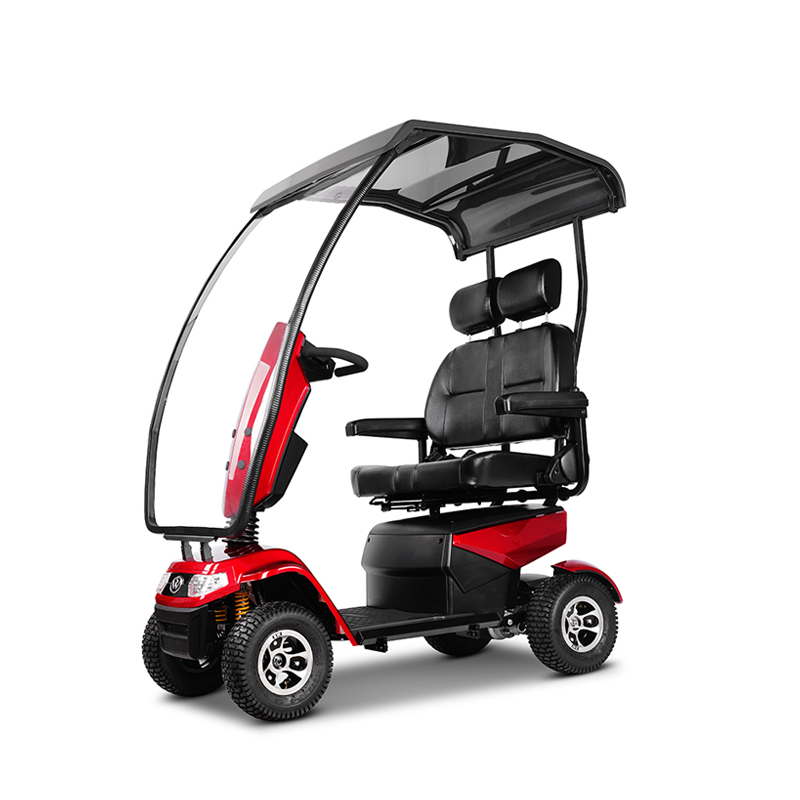
A Heavy Duty 4 Wheel Scooter is designed around a structure that needs to support its intended load while remaining manageable during movement. Four‑wheel construction can distribute the load across several supporting points, giving the frame a broader base for carrying weight.
Load distribution is not simply a matter of placing weight on the seat or platform. Frame geometry, battery position, seat location and carried items can all affect where weight reaches the wheels.
An uneven load may place greater pressure on one side. During a turn or while traveling across a slope, such differences can become more noticeable. For that reason, a suitable design needs to consider how the vehicle behaves as a complete structure rather than focusing only on its stated load capacity.
A few structural relationships are particularly relevant:
| Design Factor | Influence on Outdoor Movement |
|---|---|
| Wheel position | Affects ground contact and turning |
| Frame structure | Carries and distributes vehicle load |
| Tire condition | Influences contact with different surfaces |
| Ground clearance | Helps when passing surface changes |
| Weight distribution | Affects vehicle balance during movement |
A heavier overall structure can also influence how a scooter responds when changing direction or moving over uneven ground. More weight does not automatically make a vehicle suitable for every outdoor route. Road condition, vehicle construction and load placement still need to match.
Four‑wheel construction can provide a stable structural foundation, while other components determine how that foundation performs in real surroundings. Such a relationship becomes particularly relevant when a scooter moves beyond smooth pavement and encounters slopes, uneven sections or changing ground textures.
How Does Suspension Affect Uneven Outdoor Roads
Uneven pavement can place repeated movement into a scooter as each wheel passes over a different part of the surface. A small raised section may lift one wheel, while a shallow dip can cause another wheel to move downward. Without suitable control of such movement, vibration can travel through the frame and reach the seat.
Suspension has a role in managing wheel movement and the way road changes reach the main structure. Rather than keeping every part of a scooter completely rigid, a suitable suspension arrangement allows controlled movement around the wheels.
Road conditions can vary within a short distance. A paved path may contain a damaged section, followed by a smoother area and then a driveway entrance. Suspension behavior needs to remain predictable across such changes.
Several factors work together:
- Wheel contact with the ground
- Movement between the wheel and frame
- Load carried by the vehicle
- Condition of the road surface
- Position of the rider
Tires also contribute to how road vibration is handled. Air‑filled or solid tire designs can respond differently to surface changes, so tire construction needs to match the intended environment.
For outdoor mobility, suspension should not be viewed separately from wheel size or ground clearance. A larger wheel may approach a raised surface differently, while adequate clearance helps prevent the lower frame from contacting the ground. Suspension then forms another part of the overall response to uneven terrain.
How Do Steering And Braking Respond to Road Changes
Steering behavior can change when a vehicle moves from smooth pavement to a sloped or uneven surface. On a level path, the direction of travel is relatively easy to predict. A side slope introduces another force that can influence the path of movement.
Narrow sidewalks and entrances require careful attention to turning space. A four‑wheel layout has a defined wheelbase and turning path, so the available road width needs to match the vehicle dimensions.
Loose surfaces create another consideration. Gravel can shift under a tire, making steering feel different from movement on firm pavement. Sudden steering changes may also affect balance, particularly when the route is uneven or sloped.
Braking is connected with road condition as well. A scooter traveling downhill needs to manage speed while moving with gravity, while loose ground may provide a different level of wheel contact from hard pavement.
Controlled movement can help maintain a predictable path. Practical handling therefore involves more than the braking system itself, since tire condition, road texture, slope and vehicle load all influence how a scooter responds.
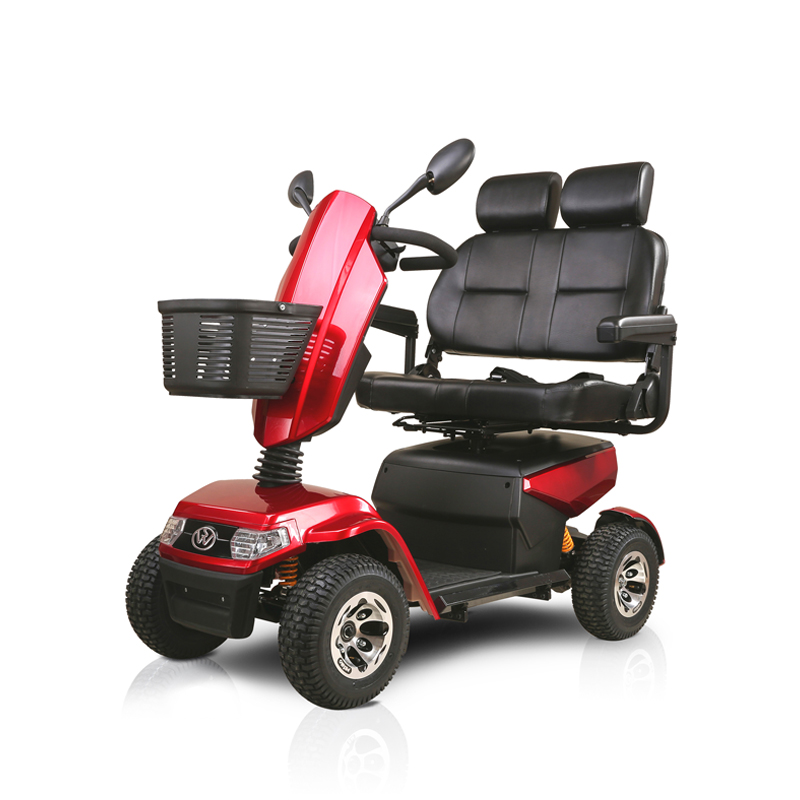
For an Outdoor 4 Wheel Scooter, route conditions should remain part of everyday planning. A vehicle intended for outdoor travel may encounter several surfaces during one journey, making gradual changes in direction and speed useful when road conditions shift.
Which Outdoor Routes Can Four Wheel Scooters Handle
Outdoor routes rarely consist of one perfectly consistent surface. A short journey may include pavement, a driveway entrance, a gentle slope and a section with minor surface damage.
Four‑wheel designs can be considered across several common environments.
Paved Sidewalks
Paved sidewalks generally provide a firm surface, although cracks, raised edges and uneven joints can appear along the route. Wheel condition and ground clearance become relevant when crossing such changes.
Pedestrian areas can also contain narrow sections. Turning space should be considered before choosing a route, especially around corners or fixed objects.
Residential Roads
Residential roads may include slopes, driveway transitions and changes in pavement condition. A vehicle needs to respond to both surface changes and direction changes.
Weight distribution becomes more noticeable on slopes. A balanced load can help maintain consistent contact between the wheels and ground.
Park Paths
Park paths may use pavement, compacted ground or loose gravel. Surface texture can change gradually, making tire condition an important part of outdoor use.
An Outdoor 4 Wheel Scooter used on such paths needs to match the actual ground conditions rather than relying only on its four‑wheel layout.
Driveway Transitions
Driveway entrances often create a small height difference between two surfaces. Ground clearance and wheel position can influence how smoothly a vehicle passes from one surface to another.
A slow and controlled approach can reduce sudden movement when a wheel reaches the edge.
Mixed Outdoor Routes
Mixed routes combine several conditions within one trip. A vehicle may leave a smooth sidewalk, cross a driveway, travel along a sloped road and enter a rougher path.
Such routes require several design elements to work together. Tires, wheels, suspension, ground clearance, steering and braking all become part of the handling process.
What Should Be Considered Before Outdoor Use
Choosing a scooter for outdoor travel starts with the route rather than the product name. Road surfaces, slopes and available space can vary considerably between locations.
A practical check can cover several points:
- Route surface: Identify whether travel involves pavement, gravel, compact ground or mixed surfaces.
- Road slope: Consider both uphill and downhill sections, along with side slopes.
- Surface changes: Check for cracks, raised edges, shallow dips and driveway transitions.
- Turning space: Make sure corners and narrow passages provide enough room for the vehicle.
- Ground clearance: Consider areas where the road changes height.
- Load arrangement: Keep carried items positioned so weight remains reasonably balanced.
- Tire condition: Check for visible wear or damage before outdoor travel.
- Braking condition: Confirm that braking remains responsive before entering slopes or unfamiliar routes.
Such checks can help match vehicle structure with actual daily use. A Heavy Duty 4 Wheel Scooter may be built around a stronger supporting structure and a larger intended load, although road conditions still determine whether a particular route is suitable.
Outdoor mobility is influenced by several connected factors rather than one structural feature. Four wheels create a broad support arrangement, while tires maintain ground contact, suspension responds to surface movement, and ground clearance helps with changes in road height. Steering and braking then affect how the vehicle is controlled across those conditions.
Different road surfaces place different demands on each part. Smooth pavement mainly calls for steady direction control, while uneven ground brings wheel movement and suspension into greater focus. Slopes place more attention on weight distribution and braking, while loose gravel makes tire contact and controlled steering more relevant.
For a Heavy Duty 4 Wheel Scooter, load distribution and frame structure remain closely connected with outdoor handling. For an Outdoor 4 Wheel Scooter, route type, surface condition and available space need equal attention.
Four‑wheel construction can support a broad range of outdoor movement when the vehicle structure matches the road environment. Proper route assessment and regular condition checks remain necessary because no single design feature can remove every challenge created by changing ground conditions.