
 +86-(0)512-82283871
Content
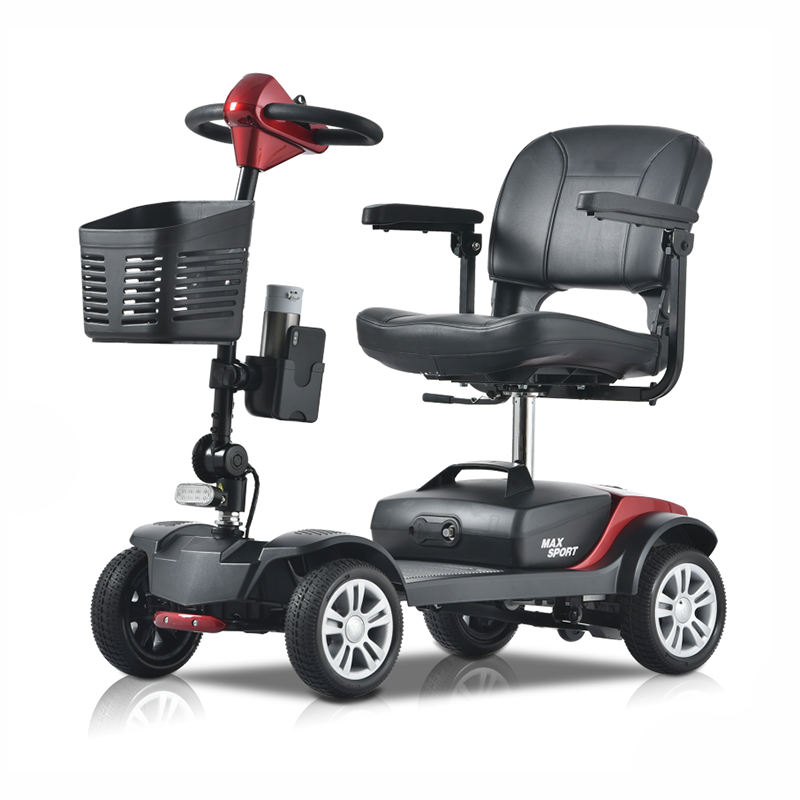
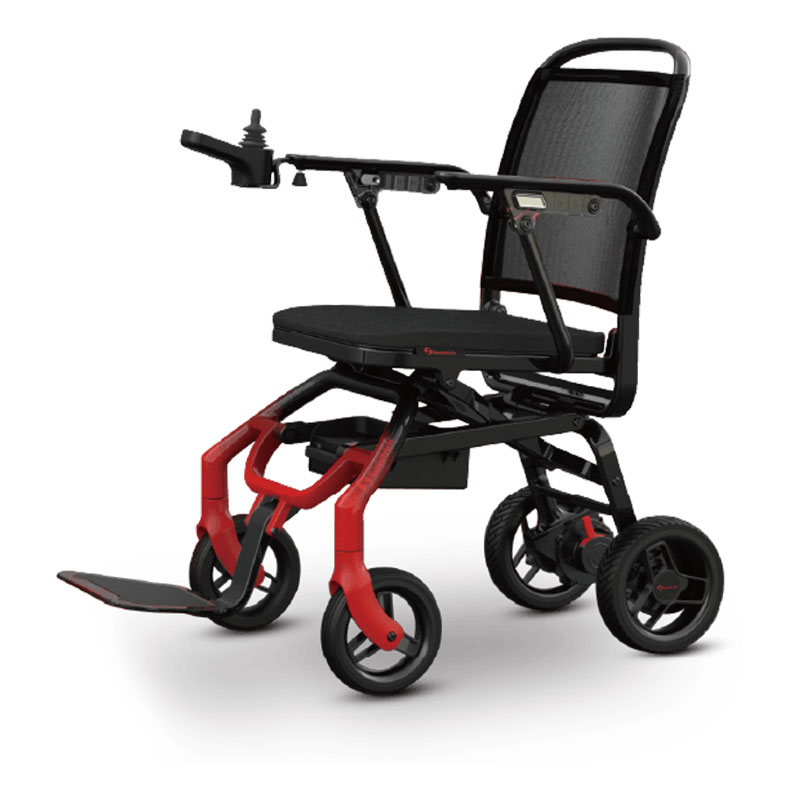
Electric wheelchairs, such as those from Sweetrich Wholesale Wheelchair Manufacturer, offer independence to individuals with mobility limitations, though weather conditions can complicate safe use. Rain, snow, ice, wind, heat, and cold each introduce particular difficulties, including reduced tire traction, quicker battery drain, or strain on components. With preparation, modified driving approaches, and routine maintenance, users can handle these situations effectively and maintain daily routines more reliably.
Begin by checking the weather forecast in advance. Pay attention to temperature, likelihood of precipitation, wind speeds, and possibilities of snow or ice. When conditions seem demanding—such as heavy rain with wind or temperatures at or below freezing—consider delaying the trip or choosing options like accessible public transportation or help from others.
Conduct a pre-departure inspection indoors. Fully charge the battery at room temperature, since cold reduces its effective capacity and heat risks overheating. Examine tires for tread condition and correct air pressure; insufficient tread or inflation impairs grip on slippery surfaces. Verify brake function in a dry, secure location. Wipe down the joystick and controls to eliminate dirt or buildup that could hinder performance. Confirm lights and horn operate correctly, which proves especially valuable in reduced visibility. If the wheelchair features adjustable settings like lower speed options, practice them indoors first. Prepare a waterproof bag containing water, medications, a phone charger, simple tools, and a blanket. Select clothing appropriate to the conditions: water-resistant layers for wet or cold environments, breathable materials for heat, and gloves for improved control.
Plan routes with care. Rely on mapping applications to locate paths offering shelter, including covered sidewalks or indoor passages. Steer away from steep ramps in rain or ice, where maintaining control proves more challenging. Aim for shorter distances with access to sheltered stops, and share your planned route with a reliable contact.
Handling Rain and Wet Conditions
Wet pavement decreases tire friction, raising the possibility of slips on turns, stops, or slopes. Shield electronics by covering motors, batteries, and wiring with plastic bags or waterproof protectors. Avoid deep puddles that might spray water onto vulnerable areas.
Lower speed on wet surfaces and increase following distance for braking. Negotiate turns gradually, and if tilt or recline functions exist, use them to redistribute weight toward the front wheels for enhanced grip. Favor concrete or asphalt surfaces that shed water readily over grass or gravel. Improve visibility through headlights, hazard lights, reflective tape applied to the chair's frame and wheels, and high-visibility clothing.
When rain grows heavier, wait under an awning or indoors until it subsides. Once back, dry the wheelchair immediately using towels, with particular focus on the frame, wheels, controls, and battery compartment. Keep it stored in a dry area to reduce risks of rust or mold. Perform regular cleaning to eliminate salt or dirt buildup, and in regions with frequent rain, apply protective treatments to metal surfaces.
Fog or mist, frequently paired with rain, further limits sight lines. Move slowly and attend to traffic sounds. Halt in a safe position if visibility drops too low.
| Category | Action / Recommendation | Benefit / Reason |
|---|---|---|
| Heavy Rain Response | Wait under awning or indoors until rain subsides | Avoids exposure to intense downpours |
| Post-Use Care | Dry wheelchair immediately (towels) – focus on frame, wheels, controls, battery compartment | Prevents water damage and corrosion |
| Storage | Store in dry area | Reduces risk of rust and mold |
| Regular Maintenance | Clean regularly to remove salt/dirt buildup | Prevents long-term corrosion |
| Frequent Rain Areas | Apply protective treatments to metal surfaces | Adds extra protection against moisture |
| Fog or Mist | Move slowly; listen for traffic sounds | Compensates for reduced visibility |
| Fog or Mist | Stop in safe position if visibility becomes too low | Prevents accidents in near-zero visibility |
Icy and snowy surfaces require added traction support. Wheel attachments like chains or studs, or tires designed for winter conditions, improve contact. Clear loose snow from accessible paths when feasible, and scatter sand or pet-friendly de-icers on ice—follow up by rinsing to minimize corrosion.
Maintain low speeds and apply gentle throttle to prevent wheel spin. Approach inclines directly and steadily. Should the chair become stuck, shift weight back and forth or engage manual mode for assistance if equipped. Restrict outings to cleared routes and bypass deep snow that burdens the battery.
Cold weather diminishes battery range, so charge and store the wheelchair indoors. Following exposure, remove snow and dry components completely to avoid ice formation in joints. Indoor warmth supports battery recovery.
Handling Windy Conditions
Strong winds can displace the chair or increase steering demands, particularly on lighter models. Review wind predictions; sustained high speeds may justify postponing travel. Opt for routes shielded by buildings, fences, or tree lines.
Adjust posture by leaning slightly forward to stabilize the center of gravity against side forces. When practical, orient travel perpendicular to wind direction to lessen lateral pressure. Decrease speed in open spaces to allow reaction time for corrections. Protect eyes from airborne particles with glasses or a visor, and incorporate reflective markers for better detection by others.
If wind intensifies, move to a protected spot or reschedule.
Managing Extreme Temperatures
High heat influences battery performance and user comfort, potentially to reduced range or component strain. Position the chair in shade when stopped, promote airflow around the battery, and apply reflective shielding if suitable. Drink water regularly and wear lightweight, airy clothing.
Low temperatures slow battery processes, cutting available runtime. Charge indoors fully and permit adjustment time before departure. Dress in layers, with insulated gloves for operating controls, and track battery status closely for adjusted trip lengths.
In both scenarios, monitor power indicators and adapt plans.
Maintenance After Exposure
Consistent upkeep avoids cumulative damage. Clean tires, frame, and controls to clear salt, mud, or other residues. Dry parts thoroughly to prevent corrosion. Lubricate joints and any chains per manufacturer guidance. Examine batteries for irregularities like swelling, and check motors and brakes for proper function. Address worn tires, seals, or other parts promptly. Arrange periodic professional inspections to detect underlying concerns.
Safety Tips and Accessories
Enhance visibility with added lights, reflective tape, or small flags. Keep an emergency kit on hand with basic tools, a spare battery when feasible, and a whistle. Rehearse techniques in calm conditions. Engage with wheelchair user communities to exchange practical insights.
| Tip/Accessory | Purpose/Benefit |
|---|---|
| Added lights, reflective tape, small flags | Enhance visibility in low-light or poor weather |
| Emergency kit (tools, spare battery, whistle) | Enable quick fixes and signaling in breakdowns |
| Rehearse techniques | Build confidence and skills in safe conditions |
| Engage wheelchair communities | Share/exchange real-world insights and advice |
Legal and Accessibility Considerations
Accessibility laws mandate clear paths, including snow and ice removal from ramps and sidewalks. Notify authorities about persistent barriers to encourage better maintenance.
Sweetrich Wholesale Wheelchair Manufacturer
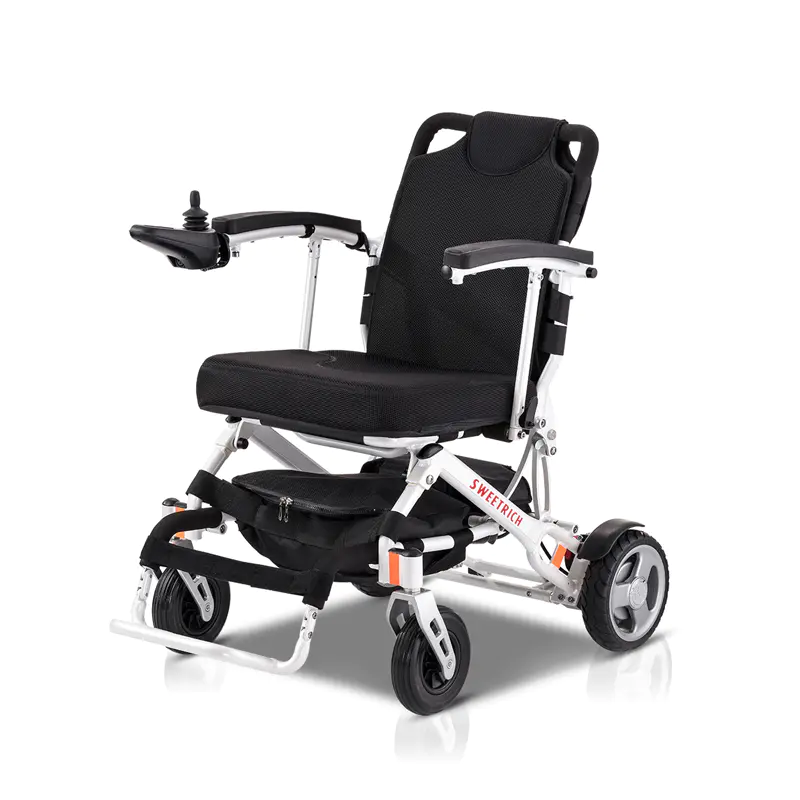
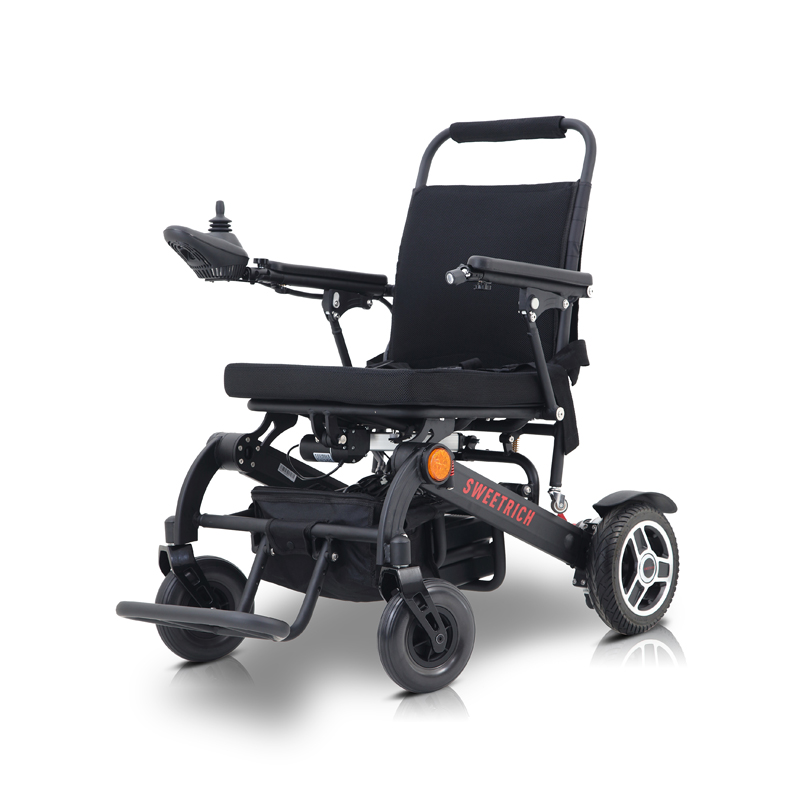
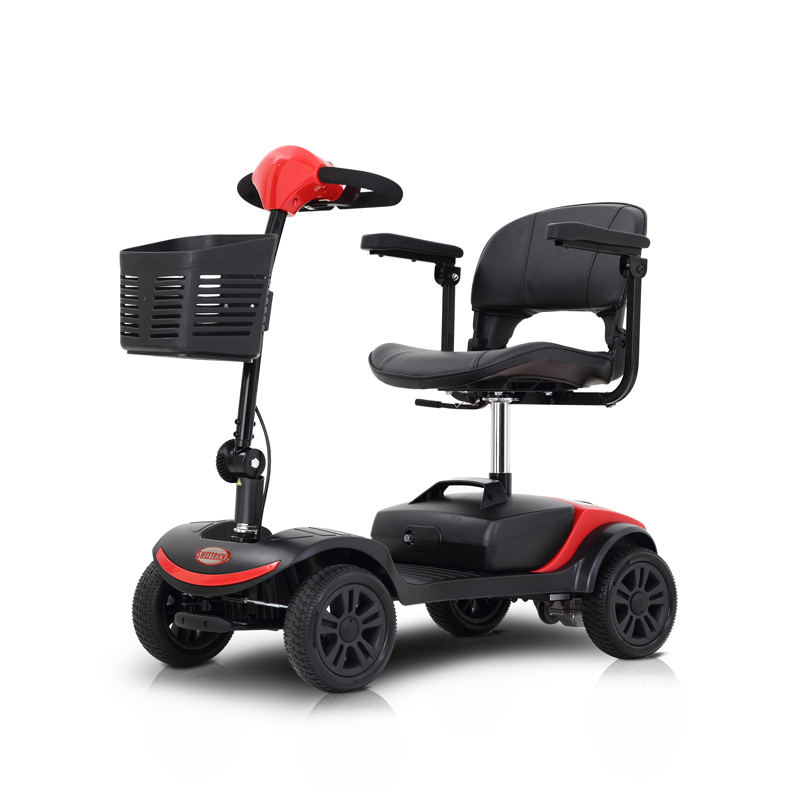
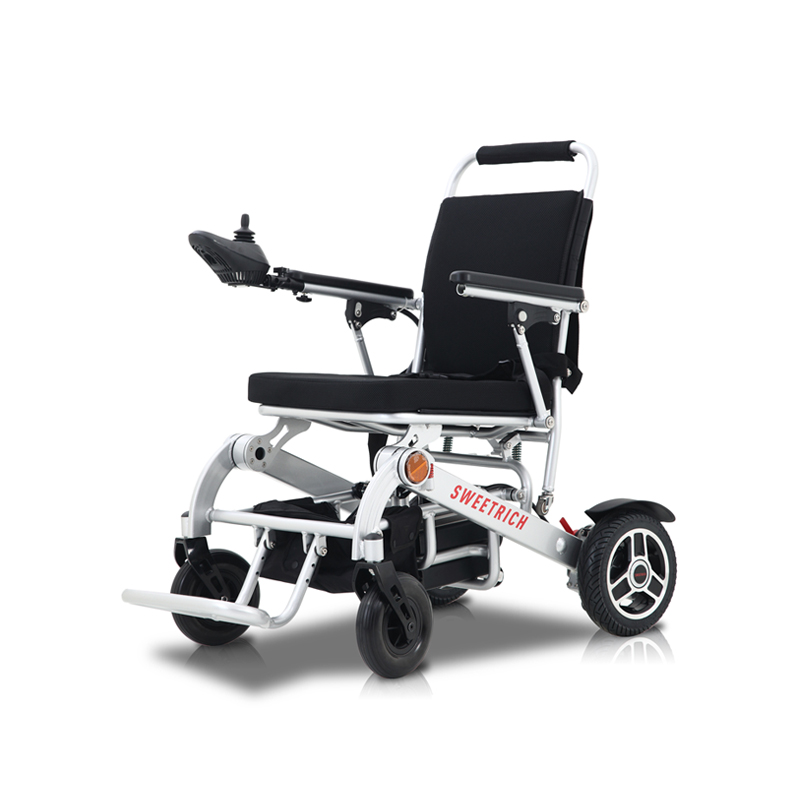
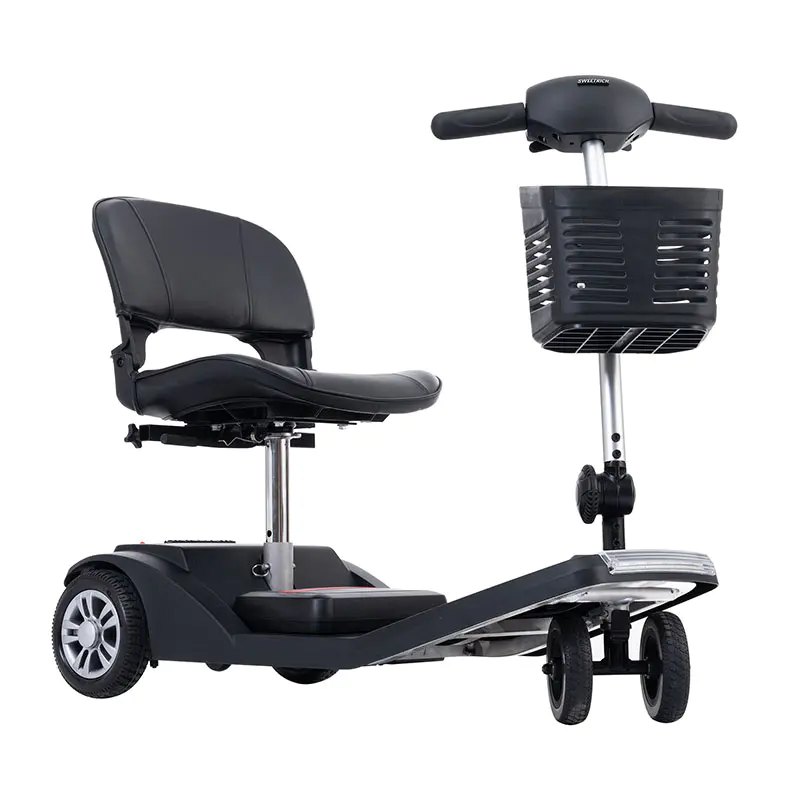
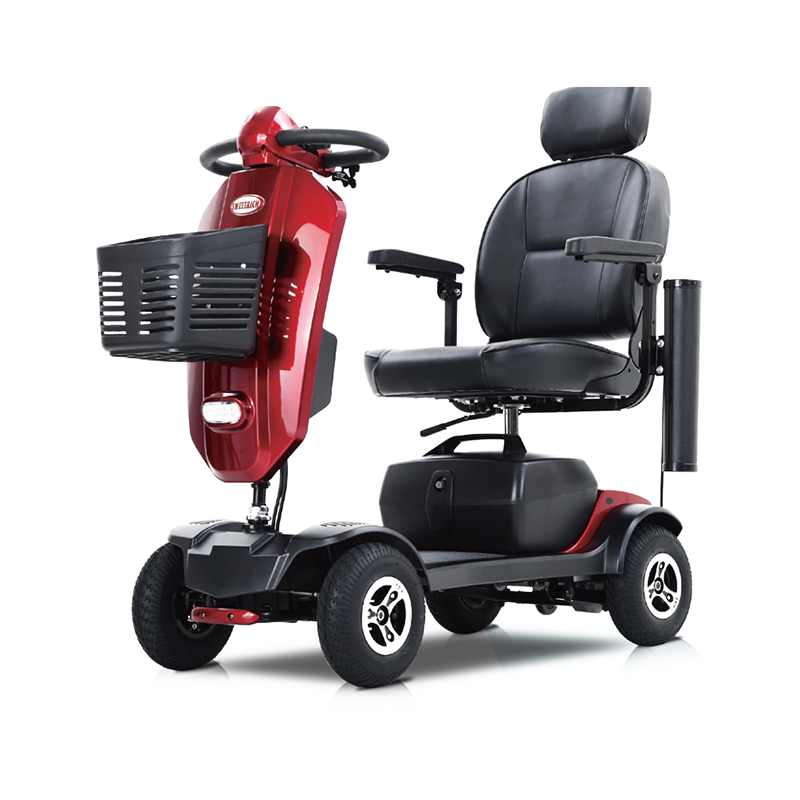
Sweetrich electric wheelchairs, with their meticulous design focusing on durability, portability, and user independence, are an choice for users facing varying and challenging weather conditions. Equipped with a robust aluminum frame, a reliable electromagnetic braking system, an advanced control system, and models specifically designed for enhanced stability and weather resistance, Sweetrich wheelchairs empower users to travel safely in various weather conditions, including rain, snow, and wind.
Sweetrich consistently prioritizes ergonomic design, performance, and practical innovation, enabling individuals with mobility challenges to maintain an active and confident lifestyle year-round, enjoying greater freedom and reliability regardless of the season.